


What does it mean when glutamic-pyruvic transaminase (GPT) is elevated, and what should be done?

Generally, elevated glutamic-pyruvic transaminase (GPT) levels may be caused by intense exercise, staying up late, fatty liver, viral hepatitis, or bile duct obstruction. Depending on the specific situation, patients can improve their condition through general management, medication, or surgical treatment. Details are as follows:
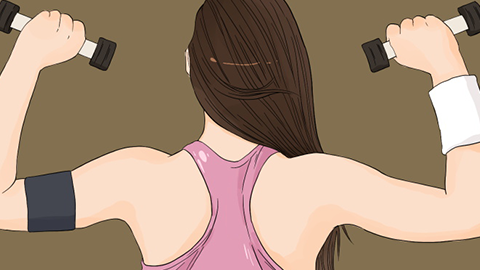
1. Intense Exercise
High-intensity physical activity accelerates liver cell metabolism, causing temporary damage to some cells and resulting in the release of GPT into the bloodstream. Discontinue strenuous exercise, switch to mild activities such as walking, ensure adequate rest, and recheck the indicators after 1–2 weeks—levels typically return to normal.
2. Staying Up Late and Fatigue
Chronic lack of sleep prevents the liver from resting properly, leading to metabolic dysfunction and increased permeability of liver cells, which causes leakage of GPT. Maintain a regular sleep schedule, go to bed before 11 p.m. each night, ensure 7–8 hours of sleep, and avoid excessive physical exhaustion.
3. Fatty Liver
Accumulation of fat in liver cells triggers inflammation, damaging cells and causing them to release GPT. Control high-fat intake, maintain regular exercise such as jogging, and take medications like silibinin capsules, diammonium glycyrrhizinate capsules, or bifendate tablets as prescribed by a doctor.
4. Viral Hepatitis
Hepatitis B or C viruses invade liver cells, triggering an immune response that leads to cell necrosis and massive release of GPT into the blood. Medications such as entecavir tablets, tenofovir alafenamide fumarate tablets, or sofosbuvir/velpatasvir tablets may be used under medical supervision.
5. Bile Duct Obstruction
Gallstones or bile duct narrowing block bile excretion, increasing pressure in the bile ducts and stimulating liver cells to release GPT. Medications such as cefixime dispersible tablets, ursodeoxycholic acid capsules, or anisodamine tablets may be taken as directed. In severe cases, surgical intervention such as bile duct incision and stone removal may be required.
Elevated GPT levels do not necessarily indicate a serious disease—start with lifestyle adjustments. However, if abnormal levels persist or are accompanied by symptoms such as fatigue or jaundice, do not delay; seek timely medical evaluation to identify the underlying cause. Only through standardized treatment combined with proper health management can liver health be effectively protected.


