


What should I do if a wound from osteomyelitis is oozing pus and fluid?

In general, the management of pus and fluid discharge from osteomyelitis wounds primarily includes wound debridement and care, antibiotic therapy, dressing application, surgical treatment, and supportive therapy. A detailed analysis is as follows:
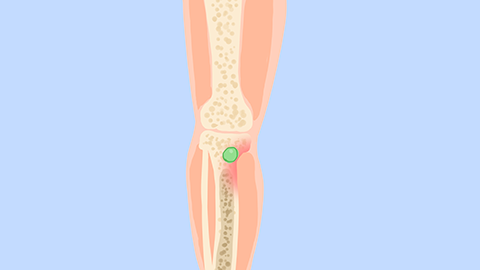
1. Debridement and Care
Professionals must thoroughly remove pus, necrotic tissue, and foreign bodies from the wound to maintain a clean wound surface. Strict aseptic techniques should be followed during the procedure to prevent secondary infection. After debridement, the wound exudate should be monitored regularly, and contaminated dressings should be changed promptly to provide a clean environment for wound healing and prevent further spread of infection.
2. Antibiotic Therapy
Antibiotic therapy is key to controlling infection. Patients may use medications such as cefazolin sodium for injection, piperacillin sodium and tazobactam sodium for injection, or levofloxacin hydrochloride tablets as prescribed by a physician. Antibiotic selection should be based on bacterial culture and drug sensitivity test results to ensure effectiveness against the infecting pathogens.
3. Dressing Application
Appropriate dressings should be selected to cover the wound, such as foam dressings or hydrocolloid dressings. Foam dressings can absorb large amounts of exudate while maintaining a moist wound environment without maceration. Hydrocolloid dressings promote granulation tissue growth, accelerate wound healing, and act as a barrier against external bacteria, reducing the risk of infection.
4. Surgical Treatment
If the wound infection is severe, drainage of pus is inadequate, or there are complications such as sequestra (dead bone) or sinus tracts, surgical intervention is required. Common procedures include lesion debridement and continuous irrigation and drainage. Surgery aims to completely remove infected tissue and establish effective drainage pathways to facilitate resolution of inflammation.
5. Supportive Therapy
Patients should ensure adequate rest and avoid excessive fatigue to enhance the body’s repair capacity. Nutritionally, they should consume foods rich in high-quality protein and vitamins, such as lean meat, eggs, and fresh fruits and vegetables, to meet the body's nutritional needs. Conditions such as anemia or hypoalbuminemia should be corrected promptly to support recovery.
In addition, patients must strictly follow medical advice during treatment and undergo regular follow-up evaluations of wound healing and inflammatory markers. If abnormalities such as increased redness and swelling, increased exudate, or fever occur, immediate medical attention is required to adjust the treatment plan.


