


What does rectal bleeding in AIDS look like?

Bleeding in stool associated with AIDS mainly presents as fresh bloody stool, mucoid bloody stool, or tarry black stool. The amount of bleeding varies and is often accompanied by symptoms such as diarrhea, abdominal pain, and weight loss. It is commonly caused by opportunistic intestinal infections, tumors, or coagulation disorders. Individuals experiencing unexplained rectal bleeding—especially those with a history of high-risk exposure—should seek timely medical evaluation.
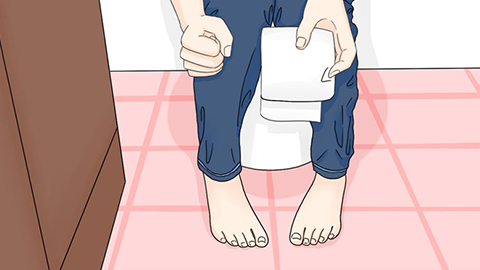
Fresh blood typically appears on the surface of the stool or drips after defecation, resulting from lesions in the lower colon or rectum. It is commonly seen in cytomegalovirus infection or perianal diseases. Treatment involves targeted anti-infective therapy or local hemostasis, along with antiviral medications to control the underlying disease.
Black, tarry stools are sticky and shiny, usually indicating upper gastrointestinal bleeding. This presentation is often linked to intestinal tumors or ulcers. Management may include hemostasis, anti-infective treatment, and even surgical removal of the affected tissue, along with supportive therapies such as blood transfusion to correct anemia.
In daily life, patients should choose light, easily digestible liquid or semi-liquid diets, avoid spicy and irritating foods, maintain cleanliness and dryness of the perianal area, follow regular作息 (daily routines) to enhance immunity, moderately supplement nutrition, and avoid excessive straining during bowel movements to reduce the risk of intestinal mucosal injury.


