


What should I do if small red spots appear on the body due to liver disease?
Dec 03, 2025
Source: Cainiu Health

Dr. Gao Jun
Introduction
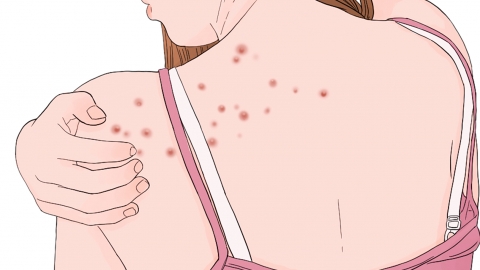
Small red spots appearing on patients with liver disease require timely evaluation of the nature of the spots, identification of potential triggers, control of the underlying liver condition, symptomatic management of skin manifestations, and regular monitoring of the disease. These red spots may be related to abnormal liver function and should be taken seriously with scientific intervention. If the spots continue to increase, or are accompanied by itching, bleeding, or worsening jaundice, prompt medical attention is recommended.
Small red spots appearing on the body of patients with liver disease require timely evaluation to determine the nature of the spots, identify potential triggers, control the underlying liver condition, manage skin symptoms appropriately, and regularly monitor disease progression. These red spots may be related to abnormal liver function and should be taken seriously with scientific intervention. If the spots continue to increase in number, are accompanied by itching, bleeding, or worsening jaundice, prompt medical attention is recommended.
1. Determine the nature of the red spots: Observe the morphology, size, color, whether they are raised, and whether they fade under pressure. If they resemble spider angiomas, they may be associated with abnormal estrogen metabolism; if they appear as petechiae, they could indicate a coagulation disorder. Different types require different management approaches.
2. Identify potential triggers: Review possible exposure to allergens, use of specific medications, or presence of concurrent skin conditions. Additionally, check liver function and coagulation profiles to determine whether the spots are caused directly by liver disease or by other contributing factors.
3. Manage the underlying liver disease: Follow medical advice to treat the primary condition properly, improve liver function, reduce toxin accumulation, and avoid stopping or altering treatment regimens without guidance, thereby minimizing skin manifestations at their source.
4. Symptomatic management of skin symptoms: Avoid scratching the red spots to prevent skin damage and infection. For itching, use mild skincare products under medical guidance and do not self-administer steroid-containing ointments.
5. Regular monitoring of disease status: Attend scheduled follow-up tests for liver function, liver imaging, and skin assessments. Keep records of changes in the red spots to guide treatment adjustments and watch for warning signs of disease progression.
In daily life, maintain clean and dry skin, wear loose, breathable cotton clothing, follow a light diet avoiding spicy and irritating foods, maintain regular sleep patterns and avoid fatigue and late nights. Reduce factors that may irritate the skin and maintain a positive mindset while actively cooperating with treatment for the underlying liver disease.



