


What lateral position is recommended for massive hemoptysis in pulmonary tuberculosis?

For massive hemoptysis in pulmonary tuberculosis, the appropriate body position should be selected based on the severity and risk of bleeding. Commonly recommended positions include lying on the affected side, supine with head turned to one side, head-down foot-elevated position, prone head-down foot-elevated position, and lying on the unaffected (healthy) side. Detailed explanations are as follows:
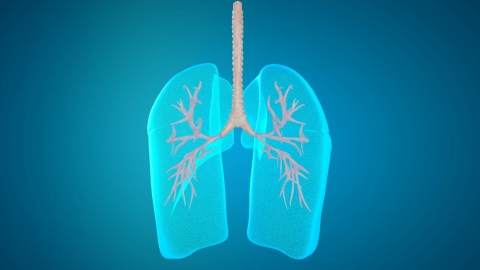
1. Lying on the affected side: This is suitable when the bleeding site is clearly identified. The patient lies with the affected lung downward. This position reduces movement of the diseased lung, helps control bleeding, and prevents blood from flowing into the healthy lung, thereby avoiding lesion spread or compression of the unaffected lung that could impair ventilation.
2. Supine with head turned to one side: Appropriate when the bleeding site is unclear or when lesions are present in both lungs. The body lies flat while the head is tilted to one side. This prevents blood accumulation in the airway, encourages expectoration of blood, reduces the risk of suffocation, and maintains airway patency.
3. Head-down foot-elevated position: Used when there are early signs of asphyxiation due to hemoptysis. The foot end of the bed is raised to create a tilted body position. Gravity helps drain blood from the airway downward, preventing large airway obstruction by clots and buying time for airway clearance—this is a critical position for preventing asphyxiation.
4. Prone head-down foot-elevated position: Employed in emergency situations of massive hemoptysis with asphyxiation. The patient remains prone with the foot end of the bed elevated. This further promotes drainage of accumulated blood from the airways. Combined with gentle back tapping, it facilitates dislodging of clots and prevents aspiration, creating favorable conditions for life-saving interventions.
5. Lying on the healthy side: Often used during the post-hemoptysis drainage phase. The patient lies with the healthy lung downward. This aids in draining residual blood from the lungs, reduces the likelihood of stagnant blood becoming a bacterial growth medium, and lowers the risk of secondary infection and disease progression.
Body positioning should be determined according to the bleeding location and stage of illness, with priority given to maintaining an open airway. Position changes should be performed gently to avoid exacerbating bleeding through vigorous movement. Close monitoring of respiration and hemoptysis is essential; if signs of asphyxiation occur, immediately adopt the head-down foot-elevated position and call for emergency assistance. Subsequent adjustments to body position should follow medical advice.


