


What should be done if a child does not develop antibodies after multiple doses of the hepatitis B vaccine?

If a child does not develop antibodies after multiple doses of the hepatitis B vaccine, interventions such as increasing vaccine dosage, switching vaccine types, following standardized catch-up schedules, screening for occult infection, and evaluating immune function can be considered. Scientific, individualized approaches are necessary. If symptoms such as fatigue or jaundice occur, or if there is a family history of hepatitis B, prompt medical evaluation and comprehensive testing are recommended.
1. Increase vaccine dosage: For children with weak immune responses, high-dose vaccines may be used under medical supervision. Increasing the intensity of immune stimulation can help the immune system produce sufficient antibodies. The full vaccination series must be completed according to the recommended schedule.
2. Switch vaccine type: If no response occurs with a yeast-derived vaccine, switching to a CHO (Chinese hamster ovary) cell-derived vaccine may improve immune response, as different manufacturing processes can enhance the likelihood of antibody production.
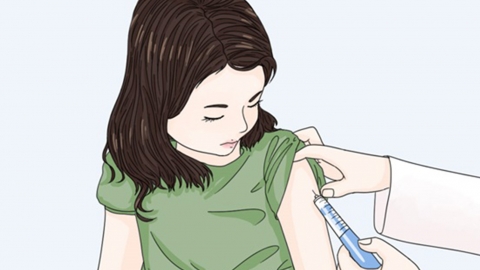
3. Follow standardized catch-up schedule: If previous doses were not administered according to the standard 0-, 1-, and 6-month schedule, the missed doses should be completed correctly to ensure effective immunological memory formation and avoid reduced efficacy due to irregular vaccination.
4. Screen for occult infection: Perform hepatitis B virus nucleic acid testing to rule out occult infection. If an infection is present, the vaccine will be ineffective. Antiviral treatment should be given first, followed by re-evaluation of vaccination needs.
5. Evaluate immune function: Test indicators such as immunoglobulin levels and lymphocyte subsets to identify immune deficiencies or chronic diseases that may impair vaccine response. Addressing underlying immune issues is essential before successful vaccination can occur.
In daily life, ensure the child maintains a balanced diet rich in high-quality protein and vitamins to strengthen immunity. Maintain regular sleep patterns to prevent excessive fatigue. Keep the injection site clean after vaccination, avoid contact with blood or bodily fluids from individuals with hepatitis B, and monitor antibody levels through regular follow-up tests.


