


Can I pass a pre-employment medical examination if I had tuberculosis before?
Dec 03, 2025
Source: Cainiu Health

Dr. Ren Yi
Introduction
If tuberculosis has been properly treated and meets the clinical cure criteria—namely, disappearance of clinical symptoms, stable or calcified lesions on imaging, and consecutive negative sputum smears and cultures—it typically does not affect the medical examination outcome. In such cases, only old fibrotic strands or calcified foci remain in the lungs, with no active exudative lesions. Most employers will decide on hiring based on the nature of the job.
Generally, whether an individual with a history of tuberculosis (TB) can pass a pre-employment medical examination depends on their current pulmonary condition and the specific job requirements. If in doubt, it is advisable to consult a healthcare provider in advance. The detailed analysis is as follows:
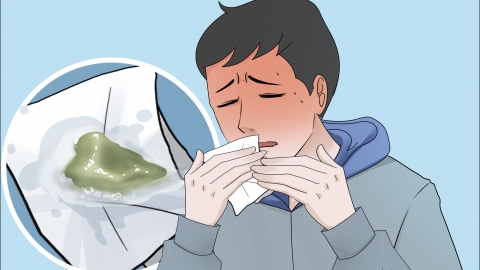
If the previous TB infection has been properly treated and meets clinical criteria for cure—such as resolution of symptoms, stable or calcified lesions on imaging, and consistently negative sputum smears and cultures—the individual typically passes the medical exam. In such cases, only old fibrotic strands or calcified scars remain in the lungs without active exudative lesions, and most employers will make hiring decisions based on the nature of the work.
If the medical check-up reveals suspicious active lesions, such as new infiltrates or positive sputum tests, the individual may be asked to postpone employment and undergo anti-tuberculosis treatment. Certain industries, including food processing and early childhood education, have stricter health requirements and may require a recovery certificate or recent follow-up reports issued by a disease control center.
It is recommended to undergo a chest CT scan before the medical exam to confirm the status of lung lesions and to bring complete medical records for verification. Maintain good immunity through healthy lifestyle habits, avoid staying up late and respiratory infections, and seek medical attention promptly if cough and phlegm persist for more than two weeks.



