


What should I do if my baby keeps sleeping after receiving the second hepatitis B vaccine shot?

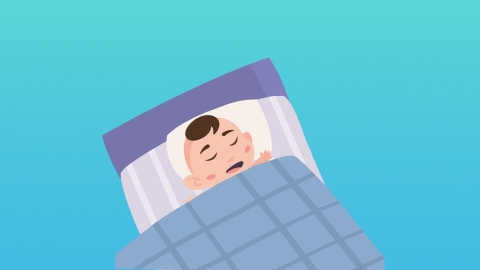
After receiving the second dose of the hepatitis B vaccine, it is common for babies to sleep more than usual. This is generally a normal reaction following vaccination. Parents can manage this by monitoring sleep duration, observing mental status, checking the injection site, providing adequate hydration, and adjusting caregiving practices. In most cases, symptoms resolve on their own. However, if the baby sleeps for over 24 hours and is difficult to wake, or if symptoms such as fever, vomiting, or lethargy occur, prompt medical attention is recommended.
1. Monitor sleep duration: When the vaccine stimulates the body's immune response, increased energy consumption may cause drowsiness in infants. If each sleep episode does not exceed 4 hours and the baby appears alert and in good spirits upon waking, no special intervention is needed. Simply keep track of changes in the sleep cycle.
2. Observe mental state: When awake, watch for signs of irritability, staring blankly, or other unusual behaviors. If the baby is simply sleeping more but remains responsive and feeds normally, it is likely a normal reaction. Avoid frequently waking the baby, as this may disrupt necessary rest.
3. Check the injection site: Inspect the vaccination area for redness, swelling, hard lumps, or discharge. Local discomfort may indirectly affect sleep. Keep the injection site clean and dry, avoid pressure or friction, and minor swelling typically resolves spontaneously.
4. Replenish fluids and energy: Offer warm water or milk during brief awakenings. Metabolism increases after vaccination, and sufficient hydration helps eliminate metabolic waste. Dehydration may worsen drowsiness. Feed according to the baby’s usual feeding needs.
5. Adjust caregiving practices: Maintain a quiet, comfortable environment with suitable temperature and humidity to support natural sleep and recovery. Avoid overdressing the baby or exposing them to noisy surroundings, minimizing external stimuli that could impair sleep quality.
No specific treatment is required—most cases of excessive sleepiness resolve within 1–2 days. Provide on-demand feeding to ensure proper nutrition, closely monitor the baby’s condition, keep the injection site clean, prevent colds, and reduce activity appropriately if symptoms persist to help the baby recover fully.


