


Can novel coronavirus pneumonia cause stomach discomfort?
Dec 03, 2025
Source: Cainiu Health

Dr. Ren Yi
Introduction
In general, novel coronavirus pneumonia may cause gastrointestinal discomfort symptoms, but not all patients will experience them. The occurrence depends on the stage of illness and individual differences. If symptoms persist or worsen, timely medical evaluation is recommended to determine the underlying cause. Meanwhile, maintain good personal hygiene practices, wear masks, and wash hands frequently.
In general, novel coronavirus pneumonia may cause gastrointestinal discomfort, but not all patients will experience such symptoms. The presence of symptoms depends on the stage of illness and individual differences. If symptoms persist or worsen, timely medical evaluation is recommended to determine the underlying cause. Specific analysis is as follows:
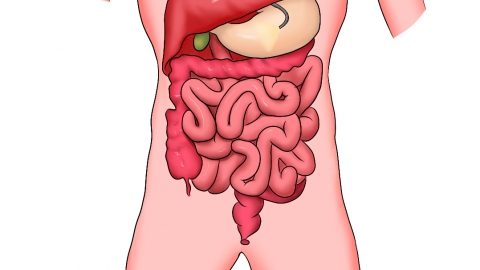
When the virus invades the mucosa of the digestive tract or triggers a systemic inflammatory response, gastrointestinal discomfort is likely to occur. This situation commonly appears during the early phase of infection or in more severe cases. The virus can affect gastrointestinal function via the bloodstream, leading to disordered gastrointestinal motility and resulting in symptoms such as nausea, bloating, and loss of appetite. Some individuals may also experience mild abdominal pain or diarrhea, closely related to the body's stress response during immune defense against the virus.
In cases of mild infection or in individuals with healthy gastrointestinal function, gastrointestinal discomfort usually does not occur. In these patients, the immune system effectively controls viral replication quickly, limiting inflammation primarily to the respiratory tract without significant impact on the digestive system. Symptoms are typically confined to common respiratory manifestations such as fever and cough, while gastrointestinal digestion and absorption functions remain normal, preventing abnormal gastric reactions.
In addition, maintaining good personal hygiene practices—such as wearing masks, frequent handwashing, and avoiding crowded gatherings—can help prevent infection with the novel coronavirus.




