


What happens if people with poor liver health stay up late for a long time?

Under normal circumstances, the liver is a vital organ responsible for metabolism and detoxification in the human body. For individuals with compromised liver health, frequently staying up late can significantly increase the burden on the liver and lead to various health problems, including abnormal liver function indicators, worsened liver damage, metabolic disorders, reduced immunity, and accelerated disease progression. The details are as follows:
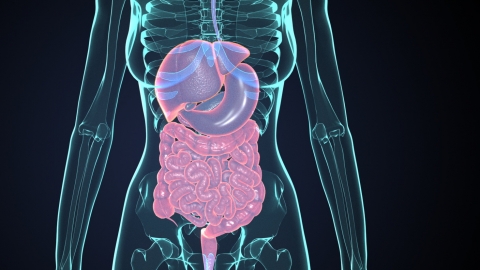
1. Abnormal liver function indicators: The nighttime hours are crucial for liver repair. Chronic late-night habits disrupt the liver's metabolic rhythm, leading to elevated levels of liver enzymes such as transaminases. These abnormalities are direct signs of liver damage; if they persist, they can further impair normal liver function.
2. Worsened liver damage: Individuals with pre-existing liver conditions already have varying degrees of liver cell damage. Staying up late prevents the liver from getting adequate rest, reducing its ability to repair itself. Damaged hepatocytes struggle to regenerate, while dead cells continue to accumulate, progressively deepening liver injury and increasing the risk of liver disease.
3. Metabolic disorders: The liver plays a key role in metabolizing substances such as glucose and fats. Long-term sleep deprivation interferes with these metabolic processes, potentially causing elevated blood lipids and unstable blood sugar levels. Some individuals may also experience abnormal weight changes due to metabolic disturbances, further increasing the metabolic burden on the liver and creating a vicious cycle.
4. Reduced immunity: Sleep deprivation impairs immune system function. People with liver problems typically have weaker immunity to begin with, and chronic lack of sleep further diminishes their immune defenses. This increases susceptibility to infections and hampers control of liver inflammation, potentially causing recurrent episodes of existing liver conditions.
5. Accelerated disease progression: Whether dealing with hepatitis, fatty liver disease, or cirrhosis, chronic sleep deprivation acts as an accelerator for disease advancement. It speeds up the transition from mild to severe stages and raises the likelihood of serious complications, negatively affecting overall health outcomes.
Individuals with liver issues should prioritize regular sleep patterns, aiming to fall asleep before 11 p.m. to ensure sufficient rest. Additionally, maintaining a light diet and engaging in moderate physical activity in daily life can help reduce the burden on the liver and create favorable conditions for liver repair and functional recovery.


