


What should I do if a chickenpox blister breaks but does not form a scab?

If a chickenpox blister has ruptured but not yet formed a scab, it is important to promptly clean the wound, prevent secondary infection, keep the area dry, minimize friction and irritation, and monitor changes in the condition. If symptoms such as pus discharge, worsening redness and swelling, or fever occur, seek medical attention immediately.
1. Clean the wound promptly: Gently rinse the broken area with sterile saline solution to remove dirt and secretions. Perform this action gently to avoid damaging surrounding healthy skin and reduce the risk of infection.
2. Prevent secondary infection: Do not apply irritating ointments arbitrarily. Under medical guidance, use appropriate antimicrobial agents. Avoid touching or scratching the wound with hands to prevent bacterial contamination from the hands.
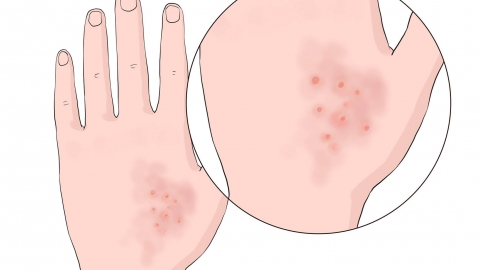
3. Keep the area dry: Wear loose, breathable cotton clothing to prevent the wound from becoming moist with sweat. Maintain a well-ventilated environment to promote drying and scab formation.
4. Minimize friction and irritation: Avoid friction, pressure, or other irritation to the damaged area. Choose an appropriate sleeping position to prevent pressure on the wound, which may impair healing.
5. Monitor changes in condition: Pay attention to the healing progress, watching for signs of increased redness or swelling, increased fluid leakage, or worsening pain. Also monitor body temperature.
In daily care, maintain clean skin, follow a light and easily digestible diet, consume more vitamin-rich foods to boost immunity, avoid spicy and greasy foods, and ensure adequate rest to support recovery and scab formation.


