


What are the symptoms during the incubation period of Omicron?
Dec 03, 2025
Source: Cainiu Health

Dr. Ren Yi
Introduction
During the incubation period of Omicron, some infected individuals may experience mild symptoms including sore throat, fatigue, mild cough, nasal congestion, and reduced appetite. Symptoms during the Omicron incubation period are often subtle and easily overlooked. When feeling unwell, individuals should isolate themselves and minimize contact with others by avoiding unnecessary outings. Maintaining a regular daily routine and consuming foods rich in vitamins can help strengthen the body's immunity.
Under normal circumstances, during the incubation period of Omicron, some infected individuals may experience mild symptoms including slight sore throat, fatigue, mild cough, nasal congestion, and reduced appetite. A detailed analysis is as follows:
1. Slight sore throat: The sore throat during the incubation period is usually a mild discomfort rather than severe pain. It commonly presents as dryness or a foreign-body sensation in the throat, with symptoms slightly worsening during swallowing. However, it does not significantly affect eating or speaking and may easily be mistaken for common throat irritation.
2. Fatigue: Infected individuals often feel physically tired, experiencing low energy even without physical exertion. They may have a slight heaviness in limbs and difficulty concentrating, leading to decreased efficiency in daily work or study.
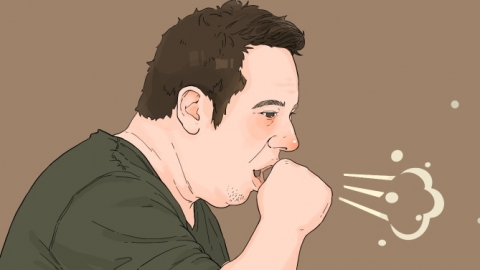
3. Mild cough: The cough is typically mild, occurring occasionally and being mostly dry without significant phlegm. It results from slight irritation of the respiratory mucosa by the virus and does not lead to severe coughing or disrupt sleep.
4. Nasal congestion: Some infected individuals may develop nasal blockage, usually mild and affecting one side. Breathing may feel slightly obstructed, but runny nose or sneezing are generally absent. The symptoms resemble those of a mild cold and can easily be overlooked.
5. Reduced appetite: Infected individuals might notice slight changes in taste, reduced interest in food, and decreased food intake compared to usual. Some may also experience mild nausea, but severe vomiting or diarrhea are uncommon.
Symptoms during the Omicron incubation period are often subtle. When feeling unwell, individuals should self-isolate and minimize contact with others. Maintaining regular作息 (sleep-wake cycles), and consuming foods rich in vitamins can help strengthen the body's resistance.




