


What vaccines are administered via subcutaneous injection?

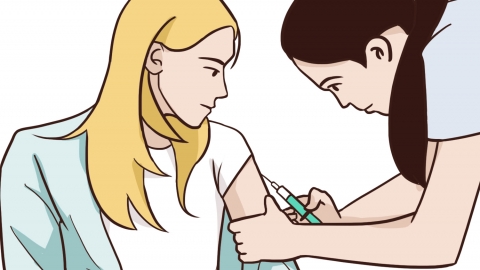
Generally, common subcutaneously administered vaccines mainly include the measles-mumps-rubella (MMR) combined vaccine, varicella attenuated live vaccine, zoster attenuated live vaccine, hepatitis A attenuated live vaccine, and epidemic hemorrhagic fever vaccine. Specific details are as follows:
1. Measles-Mumps-Rubella (MMR) Combined Vaccine
This vaccine prevents three acute respiratory infectious diseases—measles, mumps, and rubella—simultaneously by stimulating the body to produce specific antibodies. After vaccination, individuals should remain on-site for 30 minutes of observation. Keep the injection site clean and dry, avoid scratching to prevent infection. Mild fever after vaccination does not require special treatment; drink plenty of water instead.
2. Varicella Attenuated Live Vaccine
Containing an attenuated strain of the varicella-zoster virus, this vaccine stimulates the immune system to generate protective immunity and reduce the risk of developing chickenpox. It is suitable for children over one year old and susceptible adults. Local redness and swelling may occur after vaccination. Avoid contact with water at the injection site within 24 hours. Maintain a light diet and avoid spicy or irritating foods.
3. Zoster Attenuated Live Vaccine
This vaccine is used to prevent herpes zoster and its related complications by activating the body's immune memory against the varicella-zoster virus. It is recommended for individuals aged 50 years and older. Avoid strenuous exercise after vaccination and ensure adequate rest. If induration occurs at the injection site, appropriate cold compresses may help alleviate symptoms, which typically resolve spontaneously within 1–2 days.
4. Hepatitis A Attenuated Live Vaccine
This vaccine effectively prevents hepatitis A virus infection and helps establish long-lasting immunity. The primary target groups are children and high-risk populations. Before vaccination, ensure there is no current fever or acute illness. After vaccination, maintain regular sleep patterns and avoid excessive fatigue to promote recovery.
5. Epidemic Hemorrhagic Fever Vaccine
Developed specifically against hantavirus, this vaccine reduces the likelihood of contracting epidemic hemorrhagic fever and lessens disease severity. It is recommended for high-risk groups such as residents in endemic areas and individuals working outdoors. If mild rashes occur after vaccination, do not self-medicate; instead, consult the vaccinating physician promptly.
Before vaccination, individuals must truthfully inform the doctor of their health status. After vaccination, follow medical advice for proper care, and seek immediate medical attention if severe adverse reactions occur. Completing the full vaccination schedule according to the immunization program is essential to achieve optimal protective effects of the vaccine.


