


Normal aspartate aminotransferase (AST), elevated alanine aminotransferase (ALT)—what does this indicate?

Generally, when aspartate aminotransferase (AST) levels are normal but alanine aminotransferase (ALT) levels are elevated, it often indicates mild or temporary liver cell damage, which may be related to physiological or pathological factors. If concerned, it is recommended to seek medical advice promptly. The detailed analysis is as follows:
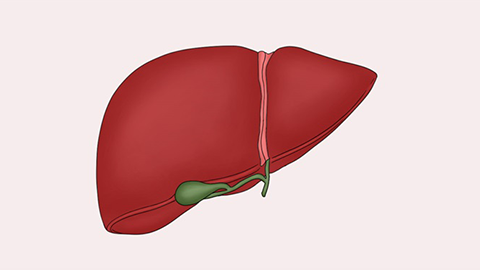
If the elevation is caused by physiological factors, it commonly occurs after recent熬夜 (staying up late), excessive alcohol consumption, intense physical exercise, or taking certain medications. ALT is primarily located in the cytoplasm of hepatocytes. These factors can temporarily increase the permeability of liver cells, leading to the release of enzymes into the bloodstream and thus elevated test results. However, significant hepatocyte necrosis does not occur, and since AST is mainly present within mitochondria, its levels remain normal. With lifestyle adjustments, these indicators usually return to normal spontaneously.
If the elevation is associated with disease-related factors, it may represent an early sign of conditions such as viral hepatitis, fatty liver disease, or drug-induced liver injury. At this stage, liver cells exhibit inflammation or minor necrosis, causing ALT from the cytoplasm to be released into the blood first, while the mitochondria remain intact, so AST levels have not yet increased. Without timely intervention, disease progression may eventually lead to elevated AST levels as well, necessitating further tests to determine the underlying cause.
Upon detecting abnormal indicators, review recent lifestyle habits and medication use, and adjust sleep and diet accordingly. Seek immediate medical evaluation if abnormalities persist or if the elevation is significant. Avoid excessive alcohol consumption and inappropriate use of medications in daily life to reduce liver burden, and schedule regular follow-up liver function tests.


