


How long does it generally take to treat a mild lung infection?
Dec 04, 2025
Source: Cainiu Health

Dr. Ren Yi
Introduction
In general, mild pulmonary infections require 1 to 2 weeks of treatment, though the exact duration should be adjusted based on the type of infection, individual constitution, and response to treatment. Younger individuals without underlying diseases tend to recover more quickly, whereas elderly patients or those with comorbidities such as hypertension or diabetes may take slightly longer to recover. However, most patients can achieve full recovery within 2 weeks with appropriate treatment.
In general, treatment for mild pulmonary infections lasts 1–2 weeks, depending on the type of infection, individual constitution, and response to therapy.
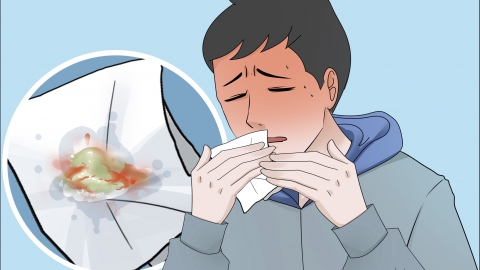
Mild pulmonary infections are commonly caused by pathogens such as bacteria and viruses, with symptoms primarily including cough, sputum production, and low-grade fever. For bacterial infections, patients typically experience symptom relief within 3–5 days after starting prescribed antibiotics. Treatment should continue until symptoms completely resolve to prevent recurrence. Viral infections are usually self-limiting and managed mainly through symptomatic and supportive care, with a disease course lasting approximately one week; however, this may extend to 10 days in individuals with weaker constitutions. During treatment, adequate rest is essential—avoiding fatigue that could impair immunity and prolong recovery. Patients should drink plenty of fluids, maintain a light diet, minimize respiratory irritation, and facilitate sputum clearance. It is crucial to strictly follow medical instructions regarding medication and not discontinue or reduce dosage without guidance.
Younger individuals without underlying conditions generally recover more quickly, whereas older adults or those with comorbidities such as hypertension or diabetes may require a longer recovery period. However, most patients can achieve full recovery within two weeks with appropriate treatment.



