How long after a pulmonary embolism can one return to work?
Dec 04, 2025
Source: Cainiu Health

Dr. Ren Yi
Introduction
If the pulmonary embolism is mild, with no significant cardiopulmonary dysfunction, and symptoms have completely resolved after standard anticoagulation therapy, and the job primarily involves light physical or mental labor (such as office work), returning to work can generally be attempted after 1–3 months. By this time, the body has largely adapted to the treatment, thrombotic risk is under control, and light work will not significantly increase physical strain, while helping gradually restore a normal daily routine.
In general, individuals with mild pulmonary embolism who have a good recovery may return to work within 1–3 months. However, those with more severe conditions or physically demanding jobs may require 3–6 months or even longer. If in doubt, it is recommended to consult a doctor in advance. Detailed analysis is as follows:
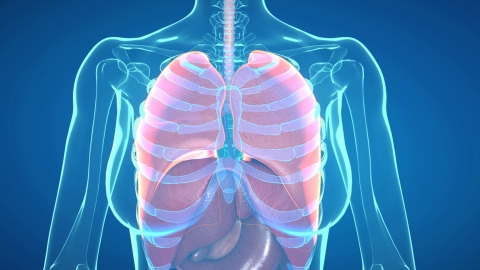
If the pulmonary embolism is mild, without significant cardiopulmonary damage, and symptoms have completely resolved after standard anticoagulation therapy, and the job mainly involves light physical or mental labor (such as office work), returning to work can typically be attempted within 1–3 months. At this point, the body has generally adapted to treatment, thrombotic risk is under control, and light-duty work will not significantly increase physical strain, while helping gradually restore a normal daily routine.
If the pulmonary embolism is severe (e.g., presenting with shock or right heart dysfunction), or if symptoms such as shortness of breath and fatigue persist after treatment, and the job requires heavy physical labor, prolonged standing, or frequent business travel, then 3–6 months or longer may be needed before resuming work. In these cases, a longer recovery period is necessary to allow sufficient restoration of heart and lung function, avoiding premature high-intensity work that could trigger recurrence or increase the risk of recurrent thrombosis.
Prior to returning to work, patients should have their cardiopulmonary function and thrombosis control evaluated by a physician. Initially, it is advisable to reduce working hours and avoid overtime or heavy physical tasks. If symptoms such as chest tightness or shortness of breath occur during work, activity should be stopped immediately and rest taken; medical attention should be sought if necessary.