


Can cefuroxime axetil tablets and Qiangli Pipa Lu be taken together?

In general, when a bacterial infection is present and there are no drug allergies, it is acceptable to take cefuroxime axetil tablets and Qiangli Pipa Syrup together under medical guidance. However, this combination is not recommended if there is no bacterial infection or if the drugs are self-administered without consultation. If in doubt, it is advisable to seek medical advice in advance. The detailed analysis is as follows:
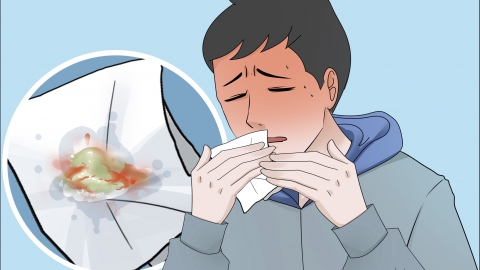
If cough and phlegm are caused by a bacterial infection (such as bacterial bronchitis or pneumonia) and the patient has no allergy to cephalosporins, taking both medications together under a doctor's supervision is appropriate. Cefuroxime axetil exerts antibacterial and anti-inflammatory effects, helping control the source of bacterial infection; Qiangli Pipa Syrup helps relieve cough and expel phlegm. Their complementary actions can help improve the condition.
However, if the cough and phlegm are due to viral infections (such as the common cold), allergies, or other non-bacterial causes, or if the combination is used without a clear diagnosis, concurrent use is not recommended. Antibiotics like cephalosporins are ineffective against viral infections, and their misuse may lead to bacterial resistance. Additionally, Qiangli Pipa Syrup contains poppy husk, which requires strict usage control. Self-medicating with this combination may increase the risk of adverse drug reactions and could mask the underlying illness.
Prior to combining these medications, diagnostic tests should be conducted to confirm whether a bacterial infection is present, avoiding unnecessary antibiotic use. Dosage and duration must strictly follow medical instructions—do not adjust them independently. Monitor for any bodily reactions during treatment; if adverse effects such as rash or nausea occur, discontinue use immediately and seek medical attention.


