


Can a cold be transmitted to people nearby?

Generally, viral colds are easily transmitted to people nearby, while bacterial colds or colds in the recovery stage are less contagious. If you have concerns, it is recommended to seek medical advice early. Specific analysis is as follows:
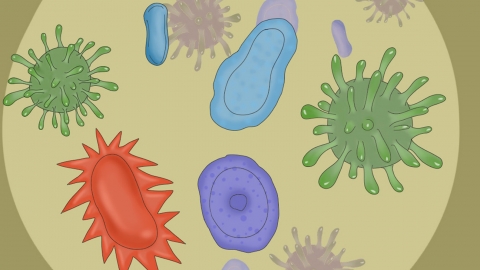
If the cold is viral (caused by viruses such as influenza virus or rhinovirus) and occurs during the early phase of illness (the first 1–3 days when symptoms are apparent), it can easily spread to others via respiratory droplets or direct contact. When patients cough or sneeze, they release virus-containing droplets. Others may become infected by inhaling these droplets or touching contaminated objects, with higher risk especially in enclosed environments.
If the cold is bacterial (often occurring secondary to a prior viral infection) or has entered the recovery phase (with significantly reduced symptoms), its transmissibility is much lower. Bacterial colds result from bacterial infection rather than viral spread. During recovery, the viral load in the patient's body drops substantially, reducing the amount of pathogens released and thus lowering the likelihood of transmission, making it generally unlikely to infect those nearby.
During a cold, individuals should wear masks, avoid coughing or sneezing directly toward others at close range, wash hands frequently to minimize transmission via hand contact, maintain indoor ventilation to reduce pathogen concentration in the air, and ensure that people nearby promptly take protective measures if they develop any symptoms.


