Can patients eat shiitake mushrooms during a cold?
Dec 04, 2025
Source: Cainiu Health

Dr. Ren Yi
Introduction
Mushroom consumption is temporarily not recommended for cold patients who have a history of mushroom allergy or who experience severe gastrointestinal symptoms (such as vomiting or frequent diarrhea) during the cold. Allergic reactions may cause discomforts like skin itching and difficulty breathing, worsening the condition. When digestion is impaired, the dietary fiber in mushrooms may increase the burden on the gastrointestinal tract, exacerbating symptoms such as bloating and abdominal pain, which is unfavorable for recovery.
Generally, people with colds who are not allergic to shiitake mushrooms and have normal digestion can consume them in moderation. However, those allergic to shiitake mushrooms or with weak digestive function should avoid them for now. If in doubt, it is recommended to consult a doctor in advance. Detailed analysis is as follows:
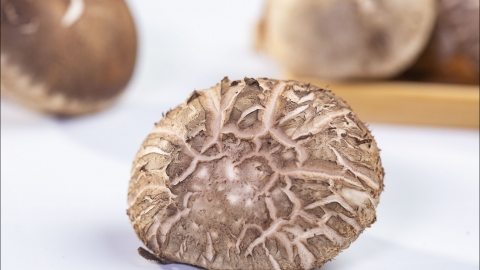
If a person with a cold has no history of allergic reactions (such as rashes, diarrhea) after consuming shiitake mushrooms and does not experience severe digestive discomfort such as nausea, bloating, or diarrhea during the illness, they may eat shiitake mushrooms in moderation. Shiitake mushrooms are rich in vitamins, minerals, and dietary fiber, which help nourish the body. When cooked, they are soft and easy to chew—suitable for the weakened physical state during a cold—and may help boost immunity.
However, if the patient has a known allergy to shiitake mushrooms or experiences severe gastrointestinal symptoms (such as vomiting or frequent diarrhea) during the cold, it is temporarily not advisable to eat them. An allergic reaction may lead to symptoms like skin itching or difficulty breathing, worsening the condition. When digestion is impaired, the dietary fiber in shiitake mushrooms may increase the burden on the gastrointestinal tract, exacerbating symptoms such as bloating and abdominal pain, thus hindering recovery.
When eating shiitake mushrooms during a cold, opt for light cooking methods (such as soups or stir-frying with minimal oil), avoiding greasy or spicy preparations. First-time consumption should start with a small amount to monitor for any allergic or adverse reactions. If any abnormal symptoms occur after eating, stop immediately and seek medical attention.