Can a ground-glass nodule in the right lower lobe of the lung be cured?
Dec 04, 2025
Source: Cainiu Health

Dr. Ren Yi
Introduction
If the ground-glass nodule in the right lower lobe of the lung is benign, or even if malignant but at an early stage (less than 1 cm in diameter and non-invasive), timely intervention can lead to cure. Benign nodules often resolve spontaneously or remain stable with treatments such as anti-infective therapy and regular follow-up. Early-stage malignant nodules, after surgical resection, have a low recurrence rate, and most patients can return to normal life, achieving clinical cure.
Under normal circumstances, benign ground-glass nodules or early-stage malignant nodules in the right lower lobe of the lung can be cured, whereas advanced malignant nodules are difficult to cure completely. If there are concerns, it is recommended to seek medical advice promptly. Detailed analysis is as follows:
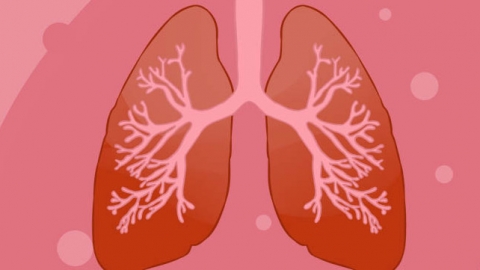
If a ground-glass nodule in the right lower lobe is benign (such as inflammatory or hemorrhagic nodules), or if it is malignant but still at an early stage (less than 1 cm in diameter and non-invasive), timely intervention can lead to a cure. Benign nodules often resolve spontaneously or remain stable with treatments such as anti-infective therapy and regular monitoring. Early-stage malignant nodules that are surgically removed have a low recurrence rate, and most patients can return to normal life, achieving clinical cure.
However, if the ground-glass nodule in the right lower lobe is malignant and has progressed to an advanced stage (e.g., showing invasion or metastasis), or if it has been left untreated for a long time leading to lesion enlargement and infiltration into surrounding tissues, complete cure becomes very difficult. Even with treatments such as surgery, chemotherapy, or radiotherapy to control the disease, residual cancer cells may persist, posing a risk of recurrence. In such cases, treatment goals typically focus on prolonging survival and improving quality of life rather than achieving complete cure.
After detecting a nodule, regular follow-up examinations (e.g., chest CT scans) should be conducted as directed by a physician to monitor changes in the nodule. Timely intervention is essential once the nodule is confirmed to be benign or early-stage malignant to avoid delays. When the nature of the nodule remains unclear, excessive anxiety should be avoided, but neither should it be ignored. A definitive diagnosis must be established through professional evaluations before an appropriate management plan is developed.