


Can I eat steamed oranges if I have yellow phlegm?
Dec 04, 2025
Source: Cainiu Health

Dr. Ren Yi
Introduction
In general, whether one can eat steamed oranges when having yellow phlegm depends on the specific cause and individual health condition. If discomfort occurs, it is advisable to seek medical attention promptly. Drink plenty of warm water daily to help dilute phlegm and facilitate its expulsion. Maintain a light diet and avoid spicy or greasy foods that may promote phlegm production. Keep indoor air moist to prevent dryness from irritating the respiratory tract.
Generally, whether one can eat steamed oranges when producing yellow phlegm depends on the specific cause and individual health condition. If discomfort occurs, it is recommended to seek medical attention promptly. The detailed analysis is as follows:
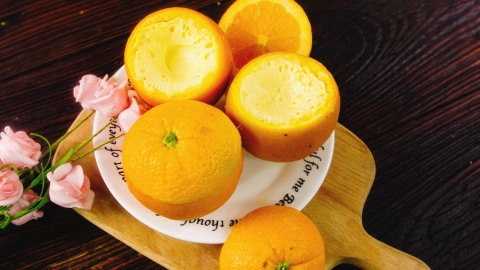
When yellow phlegm is caused by wind-heat感冒 or lung heat, and there is no obvious gastrointestinal discomfort, eating steamed oranges may be acceptable. After steaming, oranges become milder in nature and less irritating to the throat. They contain components such as hesperidin, which can moisturize the respiratory tract and help relieve coughing and phlegm. In such cases, consuming steamed oranges can both supplement hydration and vitamins without aggravating internal heat, making them suitable as an auxiliary dietary remedy.
However, if yellow phlegm is accompanied by spleen-stomach deficiency-cold or severe inflammation caused by bacterial infection, eating steamed oranges is not advisable. Individuals with spleen-stomach deficiency-cold often suffer from bloating and diarrhea; oranges are naturally cooling in nature, and even after steaming, they may still burden the digestive system. If there is a large amount of thick yellow phlegm accompanied by fever, this is often due to bacterial infection, requiring prompt medical treatment. Relying solely on steamed oranges will not alleviate the condition, and consuming them blindly may delay proper treatment.
In daily life, drink plenty of warm water to dilute phlegm and facilitate its expulsion. Maintain a light diet and avoid spicy and greasy foods that may promote phlegm production. Keep indoor air moist to prevent dryness from irritating the respiratory tract. Ensure adequate rest and avoid excessive fatigue. Adjust your diet according to your physical condition. If symptoms of yellow phlegm persist, seek medical advice promptly to determine the underlying cause.




