


Why does coughing worsen with phlegm after sunset, and what should be done?

Coughing with phlegm worsens after sunset, possibly due to dropping nighttime temperatures, decreased air humidity, allergic cough, chronic bronchitis, or postnasal drip syndrome. Symptoms can be improved through保暖 measures, increasing indoor humidity, and medication. If symptoms persist or worsen, or are accompanied by wheezing or fever, prompt medical attention is necessary.
1. Dropping nighttime temperatures: After sunset, a sudden drop in temperature may stimulate the respiratory tract with cold air, causing mucosal contraction and increased secretions, leading to coughing and sputum production. It is recommended to dress warmly, wear a mask outdoors, and avoid direct inhalation of cold air.
2. Decreased air humidity: Dry nighttime air causes moisture loss from the throat's mucous membranes, making phlegm thicker and harder to expel, which further irritates the throat and worsens coughing. It is advised to use a humidifier to maintain indoor humidity at 50%–60%, and drink a cup of warm water before bedtime to moisten the respiratory tract.
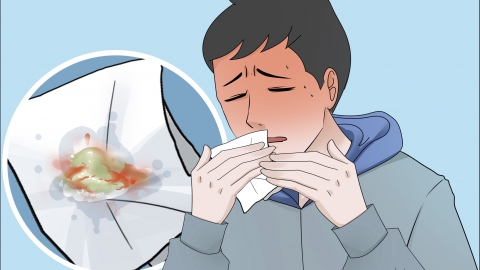
3. Allergic cough: Exposure at night to allergens such as dust mites in bedding or fabric fibers can trigger airway allergic reactions, resulting in paroxysmal cough with small amounts of white phlegm, with more pronounced symptoms at night. Patients may take medications such as loratadine syrup, montelukast sodium chewable tablets, or ambroxol and clenbuterol oral solution under medical guidance to relieve symptoms.
4. Chronic bronchitis: Chronic airway inflammation leads to increased mucus secretion. Increased vagal nerve activity at night exacerbates airway constriction, worsening cough and sputum production, often accompanied by wheezing and chest tightness. Under medical supervision, patients may use medications like acetylcysteine granules, cefaclor for oral suspension, or salbutamol aerosol to alleviate discomfort.
5. Postnasal drip syndrome: When lying down at night, nasal secretions flow backward into the throat, irritating the mucosa and causing cough with phlegm, along with a sensation of a foreign body in the throat and frequent throat clearing. As directed by a physician, patients may use physiological saline nasal spray, cetirizine hydrochloride drops, or eucalyptus oil and pinene enteric soft capsules to improve symptoms.
Maintain indoor cleanliness, regularly sun-expose bedding to reduce allergens, follow a light diet avoiding spicy and greasy foods, consume more lung-moistening fruits and vegetables such as pear and loquat, drink adequate water to thin mucus, and maintain regular sleep patterns to strengthen immunity.


