Will your lungs become clean after quitting smoking?
Dec 04, 2025
Source: Cainiu Health

Dr. Ren Yi
Introduction
In general, the lungs gradually recover after quitting smoking, but whether they can become completely clean depends on the duration of smoking and the extent of damage. For those who smoked for a short period or have mild damage, lung health can improve significantly. However, long-term smoking that causes severe damage may result in irreversible changes. After quitting smoking, it is important to actively protect lung health by taking deep breaths in fresh air environments and engaging in regular moderate exercise to enhance lung function.
Generally, the lungs will gradually recover after quitting smoking, but whether they can become completely clean depends on the duration of smoking and the extent of damage. For those who smoked for a short period or sustained mild damage, significant improvement in lung health is possible. However, for long-term smokers with severe lung damage, some injuries may not be fully reversible. The details are as follows:
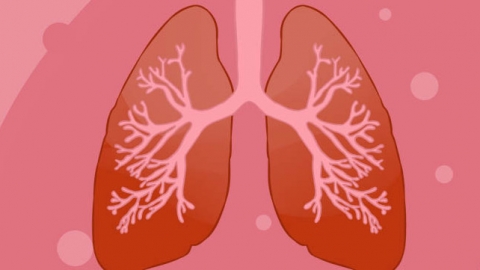
Individuals who smoked for a short time and had low daily cigarette consumption will experience rapid activation of the lungs' self-repair mechanisms after quitting. Respiratory cilia gradually regain their movement, helping expel mucus and smoke particles from the body. Lung inflammation decreases, and respiratory function improves progressively. Within six months to a year, noticeable cleansing and improvement in the lungs occur, along with reduced symptoms such as coughing and phlegm production.
For those who have smoked heavily for decades, tar and harmful substances from tobacco accumulate in the lungs, potentially leading to chronic obstructive pulmonary disease (COPD) or even pulmonary fibrosis. These types of damage are often irreversible. Even after quitting, the lungs may not return entirely to a healthy state. However, quitting smoking halts further damage and reduces the risk of worsening lung diseases.
After quitting smoking, it's important to actively protect lung health by taking deep breaths in fresh air environments and engaging in moderate exercise regularly to strengthen lung function. Diet-wise, consume more fresh fruits and vegetables rich in vitamins, and avoid exposure to secondhand smoke, dust, and other irritants.