


Why rinse your mouth with saline before undergoing a nucleic acid test?
Dec 04, 2025
Source: Cainiu Health

Dr. Li Feng
Introduction
Rinsing the mouth with saline before nucleic acid testing primarily serves to clear oral impurities, reduce interfering substances, maintain oral moisture, lower the risk of sample contamination, and improve test accuracy. It is an important pretreatment step to ensure reliable nucleic acid test results. If oral discomfort, nausea, vomiting, or exacerbation of pre-existing oral conditions occurs after rinsing, prompt medical attention is recommended.
Rinsing the mouth with normal saline before nucleic acid testing serves several important purposes, including removing oral impurities, reducing interfering substances, maintaining oral moisture, lowering the risk of sample contamination, and improving test accuracy. It is a crucial pretreatment step to ensure reliable nucleic acid test results. If oral discomfort, nausea, vomiting, or worsening symptoms occur after rinsing—especially in individuals with pre-existing oral conditions—prompt medical attention is recommended.
1. Removing oral impurities: Normal saline helps flush out food debris, soft plaque, and other residues in the mouth. This prevents such materials from adhering to the sampling swab and blocking viral nucleic acids, thereby ensuring more effective detection of viruses in the sample.
2. Reducing interfering substances: Metabolic byproducts of oral bacteria and certain enzymes in saliva may interfere with nucleic acid amplification reactions. Rinsing with normal saline dilutes these interfering substances, minimizing their impact on test outcomes.
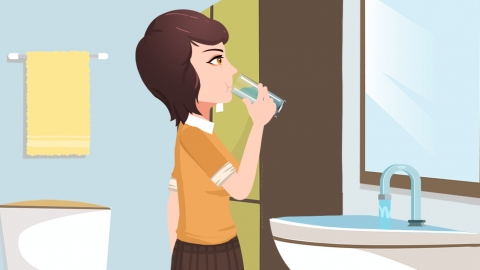
3. Maintaining oral moisture: A properly moistened oral environment reduces irritation of the pharyngeal mucosa during swabbing, decreasing discomforts such as nausea and dry heaving. It also facilitates better collection of mucosal cells by the swab.
4. Lowering sample contamination risk: While normal saline does not have bactericidal or disinfectant properties and will not damage viral structures in the mouth, it can reduce the number of non-target microorganisms, thus lowering the likelihood of sample contamination by extraneous bacteria.
5. Enhancing test accuracy: By cleaning the oral cavity, minimizing interference, and reducing contamination risks, saline mouth rinsing helps obtain a cleaner sample. This allows test results to more accurately reflect the true status of viral infection in the body and reduces the possibility of false-negative results.
To rinse, hold an appropriate amount of normal saline in the mouth for 10–15 seconds, then spit it out—do not swallow. Avoid eating, drinking, smoking, or chewing gum within 30 minutes after rinsing. Keep the mouth clean prior to sampling and strictly follow standardized procedures to ensure optimal test performance.



