


What are the hazards of inhaling PAM into the human body?

PAM refers to polyacrylamide. Hazards from inhalation into the human body mainly include respiratory tract irritation, lung damage, allergic reactions, nervous system effects, and damage to skin and mucous membranes. The severity of these hazards is closely related to the inhaled dose and duration of exposure. If persistent coughing, chest tightness, difficulty breathing, or severe allergic symptoms occur after inhalation, prompt medical attention is recommended.
1. Respiratory Irritation: Inhalation of polyacrylamide dust or aerosols can irritate the mucous membranes of the nose, throat, and pharynx, causing symptoms such as sneezing, sore throat, nasal congestion, and coughing. Long-term exposure may lead to chronic pharyngitis or bronchitis.
2. Lung Damage: Excessive inhalation may result in deposition within the alveoli, impairing gas exchange in the lungs. Initial symptoms include chest tightness and shortness of breath; prolonged exposure may induce pulmonary fibrosis and increase the metabolic burden on the lungs.
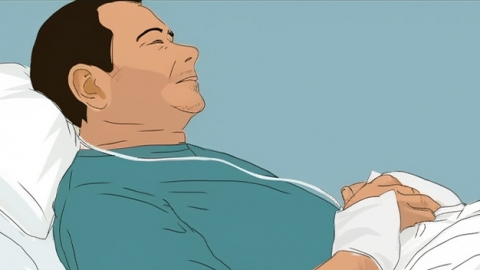
3. Allergic Reactions: Sensitive individuals may develop allergic rhinitis or asthma attacks after inhalation, presenting with wheezing, chest tightness, and skin itching. In severe cases, laryngeal edema may occur.
4. Nervous System Effects: Exposure to high concentrations may affect the nervous system, leading to dizziness, headache, fatigue, and difficulty concentrating. Long-term exposure could result in neurological dysfunction.
5. Skin and Mucous Membrane Damage: During inhalation, dust particles adhering to the skin or contacting the conjunctiva may cause skin itching, redness, conjunctival congestion, and dryness. Direct contact may also trigger local inflammation.
When handling polyacrylamide routinely, wear protective masks and gloves to avoid unprotected operation. Ensure good ventilation in the working environment to reduce dust dispersion. After contact, promptly wash the skin and mucous membranes, avoiding rubbing eyes or touching the mouth and nose, thereby minimizing risks of inhalation and direct contact.


