


What causes cough with phlegm and sore throat?

Cough with phlegm and sore throat may result from excessive voice use, environmental irritants, acute pharyngitis, tonsillitis, or acute bronchitis. Symptoms can be improved by reducing voice strain, avoiding irritants, and using medication. If symptoms worsen or are accompanied by high fever or difficulty breathing, prompt medical attention is necessary.
1. Excessive voice use: Prolonged loud talking or singing can cause congestion and swelling of the throat's mucous membrane, increasing secretions that form phlegm. Coughing pulls on irritated tissues, causing pain. It is recommended to rest the voice, drink more warm water to moisturize the mucous membrane, and avoid shouting.
2. Environmental irritation: Inhaling dry air, dust, or irritating gases can sensitize the throat’s mucous membrane, triggering mucus production and phlegm formation, worsening pain during coughing. It is advised to avoid exposure to irritants, use a humidifier to increase moisture, and wear a mask when outdoors.
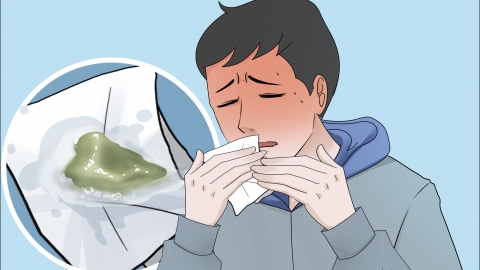
3. Acute pharyngitis: Viral or bacterial infection causes inflammation of the pharyngeal mucosa, leading to congestion and phlegm secretion. Pain occurs when airflow during coughing irritates the inflamed area, often accompanied by dryness and hoarseness. Under medical guidance, patients may take medications such as Pudilan Xiaoyan Oral Liquid, Watermelon Frost Throat Lozenges, or Amoxicillin Capsules to relieve symptoms.
4. Tonsillitis: Infection of the tonsils by pathogens leads to inflammation, redness, swelling, and pus formation with secretions. Coughing pulls surrounding tissues, causing severe pain, along with discomfort during swallowing and fever. It is recommended to take medications such as Cefixime Dispersible Tablets, Liyan Jiedu Granules, or Ibuprofen Sustained-Release Capsules under medical supervision to alleviate symptoms.
5. Acute bronchitis: Inflammation spreading from the bronchi to the throat irritates the mucous membrane, increasing phlegm production. Coughing causes vibration in the throat, resulting in pain, along with sputum production and chest tightness. Patients may follow medical advice to use Ambroxol Hydrochloride Oral Solution, Cefaclor Capsules, or Liyanling Tablets to improve symptoms.
Maintain well-ventilated and humid indoor air, ensure adequate sleep to boost immunity, eat a light diet rich in soothing foods like pears and white fungus, drink warm water regularly, avoid spicy and fried foods, and stay warm to prevent coughs triggered by cold exposure.


