


Is small airway dysfunction a common disease?
Dec 04, 2025
Source: Cainiu Health

Dr. Ren Yi
Introduction
Individuals who smoke long-term, are exposed to dust or chemical irritants, or have underlying respiratory conditions such as asthma or chronic bronchitis are more likely to develop small airway dysfunction. These factors repeatedly irritate the small airway mucosa, leading to mucosal congestion and increased secretions, gradually impairing small airway ventilation function, making it a common issue in this population.
Generally, small airway dysfunction is more common among individuals with a long-term smoking history or those with a history of respiratory diseases, but it is less frequently seen in the general healthy population. If there are concerns, it is recommended to seek medical advice early. Detailed analysis is as follows:
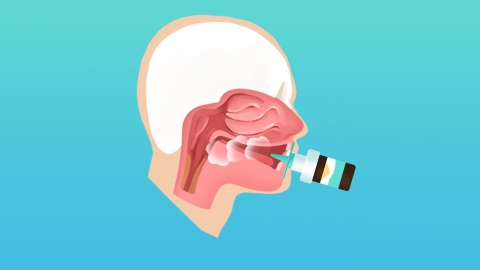
In individuals who have prolonged exposure to smoking, dust, or chemical irritants, or who suffer from underlying respiratory conditions such as asthma or chronic bronchitis, the likelihood of developing small airway dysfunction is higher. These factors repeatedly irritate the mucous membranes of the small airways, leading to mucosal congestion and increased secretions, gradually impairing ventilation function in the small airways, making it a common issue in this population.
In contrast, small airway dysfunction is uncommon among individuals without a smoking history, who avoid polluted environments, and who do not have underlying conditions such as asthma or bronchitis, especially when their lung function remains normal. Healthy small airways possess good elasticity and ventilation capacity, and in the absence of external irritants or disease influences, functional abnormalities rarely occur, resulting in a low incidence rate in the general healthy population.
In daily life, it is important to avoid long-term smoking and exposure to harmful irritants, and to prevent respiratory infections. When symptoms such as chest tightness or shortness of breath occur, timely pulmonary function testing is recommended. Individuals with pre-existing respiratory conditions should undergo regular monitoring of small airway function changes.



