


Can lung disease cause facial and hand swelling?

Lung diseases can cause swelling of the face and hands, especially severe conditions such as chronic obstructive pulmonary disease (COPD), cor pulmonale, and pulmonary fibrosis. These diseases may lead to edema by affecting blood circulation or body metabolism, often indicating disease progression. If facial and hand swelling occurs along with symptoms like coughing, shortness of breath, chest tightness, and fatigue, prompt medical attention is recommended.
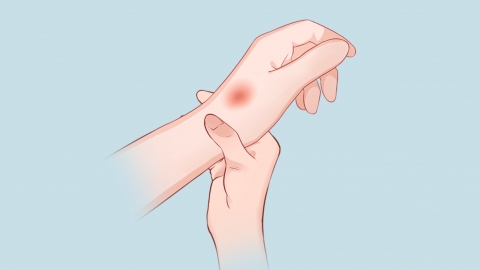
Severe lung diseases can result in pulmonary hypertension, increasing the burden on the right heart and leading to right heart failure. Impaired blood return causes congestion in the venous system, thereby elevating venous pressure in the face and upper limbs, resulting in facial and hand swelling—typically starting from the eyelids or fingertips and gradually worsening.
Some chronic lung diseases can impair nutritional absorption and metabolism, causing hypoalbuminemia. Reduced plasma osmotic pressure allows fluid to leak from blood vessels into tissue spaces, also triggering facial and hand swelling. This may be accompanied by generalized weakness and weight loss, with edema typically distributed symmetrically.
In daily life, it's important to follow medical advice for standardized treatment of underlying lung conditions, avoid overexertion and intense physical activity, adopt a semi-reclining position to reduce cardiopulmonary strain, maintain a light, low-salt diet to minimize fluid retention, engage in moderate gentle exercises to promote circulation, and closely monitor changes in swelling and respiratory status.


