


What causes thick nasal discharge and coughing with phlegm, and what should be done about it?

Thick nasal discharge and cough with thick phlegm may result from respiratory mucosal irritation, dry environment, acute bronchitis, bacterial sinusitis, or Mycoplasma pneumoniae infection. Symptoms can be improved by avoiding irritants, maintaining moisture, and medical treatment. If symptoms worsen or are accompanied by high fever or difficulty breathing, prompt medical attention is required.
1. Respiratory mucosal irritation: Inhaling irritants such as dust or smoke can increase secretion from the respiratory mucosa, leading to thick nasal discharge. This can also irritate the throat and cause coughing with thick phlegm. It is recommended to avoid polluted environments, wear a mask when outdoors, and steer clear of exposure to irritating gases.
2. Dry environment: Prolonged exposure to dry air causes loss of moisture in the respiratory mucosa, resulting in thickened secretions that form thick nasal mucus and phlegm, triggering cough. Use a humidifier to increase indoor humidity, drink plenty of warm water, and keep the respiratory tract moist to help thin secretions.
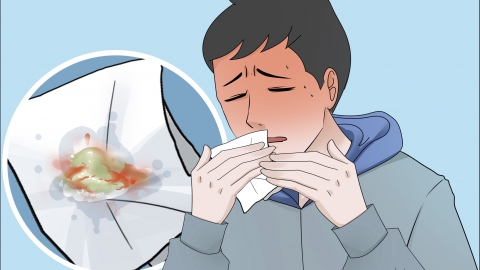
3. Acute bronchitis: Bacterial infection causes inflammation of the bronchi, leading to congestion, swelling, and excessive mucus secretion from the bronchial mucosa, resulting in thick phlegm. The inflammation may spread to the nasal cavity, causing thick nasal discharge. Patients may take medications such as amoxicillin capsules, ambroxol hydrochloride oral solution, or Jizhi syrup under medical guidance to relieve symptoms.
4. Bacterial sinusitis: Bacterial infection in the nasal cavity leads to inflammation of the sinuses, producing pus and thick nasal discharge, which may drain backward into the throat and trigger cough with thick phlegm. It is recommended to use medications such as cefaclor capsules, saline nasal spray, or Tongqiao Biyan granules under medical supervision to alleviate discomfort.
5. Mycoplasma pneumoniae infection: Mycoplasma invades the respiratory tract, causing inflammation that stimulates airway secretion of thick phlegm. Increased purulent nasal discharge leads to symptoms of thick nasal mucus and cough. Patients may follow medical advice to take azithromycin dispersible tablets, Chuanbei pipa paste, or acetylcysteine granules to improve symptoms.
Maintain good indoor ventilation, ensure adequate sleep to boost immunity, eat a light diet rich in fresh fruits and vegetables, drink warm water regularly, avoid spicy and greasy foods, engage in moderate walking to aid recovery, and stay warm to prevent worsening symptoms due to cold exposure.


