


What is the normal range for respiratory rate?

In adults, the normal respiratory rate at rest ranges from 12 to 20 breaths per minute. For newborns, it is 40–45 breaths per minute; for children aged 1–3 years, 30–40 breaths per minute; for those aged 4–7 years, 20–25 breaths per minute; and for children aged 8–14 years, 18–20 breaths per minute. In elderly individuals, the respiratory rate may be slightly lower but generally remains no less than 10 breaths per minute. If breathing rate consistently exceeds the normal range for the respective age group at rest, or if accompanied by symptoms such as shortness of breath, chest tightness, cyanosis (bluish discoloration), or confusion, prompt medical evaluation is necessary.
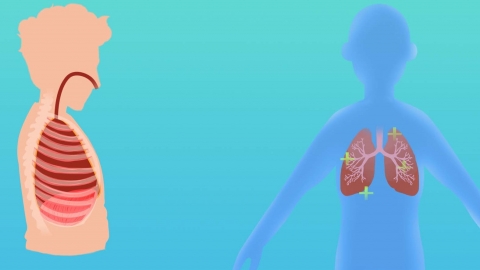
Adult respiratory rate is relatively stable and less affected by emotions, physical activity, or illness, with 12–20 breaths per minute considered a normal resting range. Rapid breathing (tachypnea) is commonly associated with fever, pneumonia, asthma, or anemia, while abnormally slow breathing (bradypnea) may result from intracranial disorders, hypothyroidism, or the effects of sedative medications. Children have higher respiratory rates than adults due to their faster metabolism, with younger age corresponding to higher rates. Slight irregularity in breathing rhythm among newborns is a normal physiological phenomenon and does not require excessive concern.
Respiratory rate is an important indicator of cardiopulmonary function. It should be measured after at least 5 minutes of quiet rest, avoiding immediate counting after physical activity, eating, or emotional excitement. During measurement, observe the rise and fall of the chest or abdomen—one inhalation and one exhalation constitute one complete breath—ensuring accurate counting.
To maintain healthy respiratory rhythms, ensure fresh indoor air by regularly opening windows for ventilation, avoid exposure to tobacco smoke and dust irritants, engage in regular moderate aerobic exercise such as brisk walking or swimming to strengthen cardiopulmonary function, maintain a regular sleep schedule avoiding late nights and fatigue, eat a balanced diet rich in nutrients, and reduce the risk of respiratory infections.


