


Why do I feel like coughing when inhaling around 5 or 6 a.m., and what should I do about it?

Waking up at 5 or 6 a.m. with coughing upon inhalation may be caused by morning exposure to cold air, dry throat, allergic pharyngitis, bronchitis, gastroesophageal reflux, and other conditions. Symptoms can be improved through protective warming, hydration, throat moisturizing, and medication. If the cough worsens or is accompanied by wheezing or chest pain, prompt medical attention is necessary.
1. Morning Cold Air Irritation: Early morning temperatures are low, and inhaling cold air can irritate the respiratory mucosa, triggering reflexive coughing, which becomes more noticeable during inhalation. It is recommended to avoid opening windows immediately after waking and to wear a mask when going outdoors to protect the respiratory tract from cold exposure.
2. Dry Throat: During sleep, moisture evaporates through breathing, leading to dryness of the throat mucosa. Inhalation in the morning stimulates this dry mucosa, causing coughing and an itchy throat. It is advisable to drink water moderately before bedtime, use a humidifier in the bedroom, and drink a glass of warm water upon waking to soothe the throat.
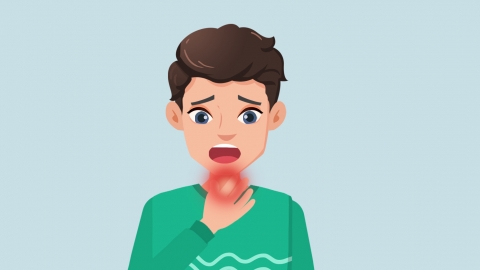
3. Allergic Pharyngitis: Exposure to allergens such as dust mites or bedding fibers during the night can trigger an inflammatory response in the throat mucosa. Inhalation stimulates the inflamed area, resulting in coughing and a sensation of a foreign body in the throat. Patients may take medications such as loratadine tablets, montelukast sodium chewable tablets, or Pudilan Xiaoyan oral liquid under medical guidance to alleviate symptoms.
4. Bronchitis: Inflammation of the bronchi caused by viral or bacterial infection increases airway sensitivity. Morning exposure to cold air can easily trigger coughing, and airway constriction during inhalation may worsen symptoms. Under a doctor’s supervision, medications such as ambroxol-terbutaline oral solution, cefixime dispersible tablets, or budesonide suspension may be used to relieve discomfort.
5. Gastroesophageal Reflux: When lying flat at night, stomach acid may reflux into the throat and airway, irritating the mucosa and causing inflammation. Inhalation in the morning stimulates the affected area, leading to coughing along with heartburn and discomfort behind the breastbone. Patients may follow medical advice to use omeprazole enteric-coated capsules, domperidone tablets, or hydrotalcite chewable tablets to improve symptoms.
To reduce symptoms, ensure warmth during sleep to prevent chilling, keep the bedroom clean to minimize dust mite growth, maintain a light diet avoiding spicy or greasy foods before bedtime, drink adequate water to moisten the respiratory tract, and follow a regular sleep schedule to strengthen overall health.


