


What causes a cough and continuous sneezing lasting for a month, and what should be done?
Dec 04, 2025
Source: Cainiu Health

Dr. Ren Yi
Introduction
Coughing for one month and persistent sneezing may be caused by environmental irritants, allergic constitution, allergic rhinitis, acute bronchitis, sinusitis, etc. Symptoms can be improved by avoiding irritants, protective isolation, and medication. If symptoms worsen or are accompanied by fever or blood in sputum, prompt medical attention is necessary. Long-term exposure to dust, cold air, and irritating odors
Continuous coughing for a month and persistent sneezing may be caused by environmental irritants, allergic constitution, allergic rhinitis, acute bronchitis, or sinusitis. Symptoms can be improved by avoiding irritants, protective isolation, and medication. If symptoms worsen or are accompanied by fever or blood-tinged sputum, prompt medical attention is necessary.
1. Environmental Irritants: Prolonged exposure to dust, cold air, or irritating odors continuously stimulates the respiratory mucosa, triggering reflexive coughing and sneezing. Symptoms may improve after leaving the environment. It is recommended to avoid the source of irritation, wear a mask when going outdoors, maintain indoor ventilation, and keep the air moist.
2. Allergic Constitution: Individuals with an allergic constitution may experience prolonged coughing and continuous sneezing due to abnormal immune responses upon exposure to allergens such as pollen, dust mites, or pet dander. It is advised to identify and avoid allergens, clean the home environment regularly, and use an air purifier if necessary.
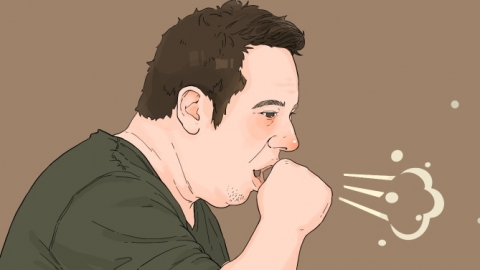
3. Allergic Rhinitis: After exposure to allergens, inflammation of the nasal mucosa causes continuous sneezing, while postnasal drip irritates the throat and leads to coughing, often accompanied by nasal congestion and itching. Patients may use medications such as mometasone furoate nasal spray, loratadine syrup, or montelukast sodium granules under medical guidance to relieve symptoms.
4. Acute Bronchitis: Viral or bacterial infection causes inflammation in the bronchi, leading to congestion and swelling of the bronchial mucosa, resulting in persistent coughing. Airway irritation from inflammation may also cause sneezing, occasionally with phlegm. It is recommended to take medications such as ambroxol and clenbuterol oral solution, cefaclor dry suspension, or pediatric paracetamol-phenyl pseudoephedrine granules under a doctor's guidance to alleviate discomfort.
5. Sinusitis: Inflammation caused by infection in the sinuses leads to purulent secretions flowing back into the throat, irritating the mucosa and causing chronic cough. Nasal inflammation can also trigger continuous sneezing, along with thick nasal discharge and headache. Patients may follow medical advice to use saline nasal spray, amoxicillin-clavulanate potassium dry suspension, or Biyuan Tongqiao granules to improve symptoms.
Maintain a clean indoor environment to reduce allergens, take protective measures outdoors to prevent colds, eat a light diet rich in fruits and vegetables for vitamin intake, drink plenty of water to moisturize the respiratory tract, and maintain regular sleep patterns to strengthen immunity, all of which support recovery and reduce discomfort.



