


Can you eat a river eel that has been dead for 6 hours?
Dec 08, 2025
Source: Cainiu Health

Dr. Huang Yuhong
Introduction
In general, it is not recommended to consume river eel that has been dead for more than 6 hours. If the eel has been kept under continuous refrigeration at low temperatures and shows no signs of spoilage, it may be cautiously consumed after careful inspection. Before eating, thoroughly check the eel; if the flesh is soft or mushy, discolored (dull in appearance), or emits a foul, fishy odor, it must be discarded immediately. In daily life, it is advisable to choose live river eel, slaughtered and cooked immediately, and to develop good habits in selecting and preparing ingredients.
Generally, it is not recommended to eat river eel that has been dead for 6 hours. However, if it has been kept under continuous refrigeration and shows no signs of spoilage, it may be cautiously consumed after a strict inspection. The detailed analysis is as follows:
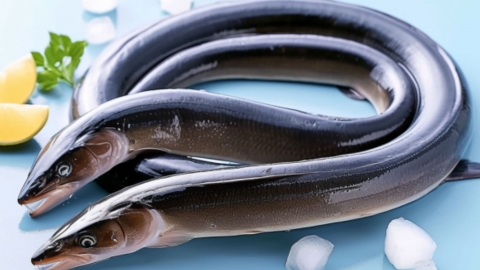
River eel has tender meat and is rich in protein. If improperly stored after death, bacteria and other microorganisms can rapidly multiply, decomposing the flesh and producing harmful substances. When left at room temperature for 6 hours, bacterial growth becomes significant, often leading to spoilage symptoms such as slimy texture and unpleasant odor, which may cause abdominal pain, diarrhea, or other discomforts if consumed. However, if the eel is immediately refrigerated after death, low temperatures can inhibit bacterial growth, making it possibly safe to consume in small amounts provided no abnormalities are detected. Therefore, consumption should be determined based on storage conditions, and should never be done blindly.
Prior to consumption, carefully inspect the eel. If the flesh is soft and mushy, discolored (dull in appearance), or emits a fishy odor, it must be discarded immediately. In daily life, it's advisable to choose live eels, have them slaughtered and cooked immediately, and develop good habits in selecting ingredients and cooking practices to ensure food safety.


