


Can Pyracantha be eaten raw?
Dec 08, 2025
Source: Cainiu Health

Dr. Sun Lianqing
Introduction
Generally, whether Pyracantha can be eaten raw depends on the specific condition of the fruit and the eater's physical health. After harvesting, Pyracantha should first be thoroughly rinsed under running water to remove surface dust and residual impurities. It should be consumed as soon as possible after washing to prevent bacterial growth from prolonged storage. Consumption should be moderate; especially for individuals with sensitive digestive systems, only small amounts are recommended initially.
Generally speaking, whether Pyracantha fruit can be eaten raw depends on the specific condition of the fruit and the eater's health status. The detailed analysis is as follows:
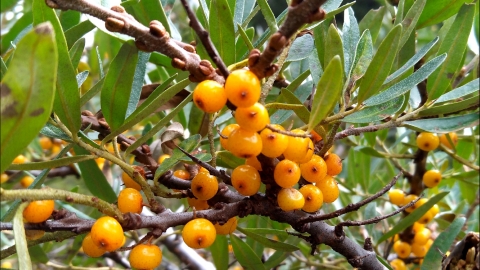
Pyracantha fruit can be eaten raw when it is fully ripe, plump, has intact skin without mold or damage, and grows in a clean, pollution-free environment. At this stage, the fruit is juicy with a sweet-and-sour flavor. After washing thoroughly, it can be consumed directly to preserve its rich content of vitamins and dietary fiber. It has a refreshing taste and is suitable for healthy individuals to eat in moderation, satisfying hunger while providing some nutritional benefits.
It is not recommended to eat Pyracantha fruit raw if it is unripe, has rotting spots on the skin, or grows in a polluted area. Unripe fruit tends to be excessively sour and astringent, which may irritate the gastrointestinal tract and cause discomfort. Rotten fruit may harbor bacteria and molds, potentially leading to abdominal pain or diarrhea after consumption. Fruit grown in contaminated areas may absorb harmful substances, posing risks to health.
Freshly harvested Pyracantha should first be rinsed repeatedly under running water to remove surface dust and residual impurities. It should be consumed promptly after washing to prevent bacterial growth from prolonged storage. Intake should be limited, especially for individuals with sensitive digestive systems, who should start with small amounts. For storage, keep the fruit in a cool, well-ventilated place or seal it in a fresh-keeping bag and refrigerate to extend shelf life.




