


Is an older pigeon better than a young squab for nourishing the body?

Generally speaking, when choosing between an older pigeon or a squab for nourishing the body, the decision should be based on one's specific physical condition and health-nourishing needs. If you have special health conditions or requirements, it is recommended to consult a professional Traditional Chinese Medicine (TCM) practitioner. The detailed analysis is as follows:
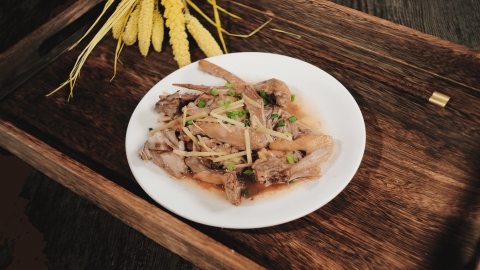
For individuals with weak constitutions who require long-term warming and tonifying therapy, older pigeons are more suitable. Older pigeons have a longer growth cycle, firmer meat, and richer nutrient content in their bone marrow and muscles. When stewed, they produce a rich, flavorful broth that gently and steadily replenishes qi and blood, making them ideal for postpartum recovery or convalescence after surgery—situations requiring gradual nourishment.
For those with weak gastrointestinal function, poor digestion, or individuals needing rapid nutritional replenishment, squabs are a better choice. Squab meat is tender, low in fat, and easily digested and absorbed by the body, placing minimal burden on the digestive system. This makes them suitable for people recovering from illness or those with deficient constitutions who are concerned about excessive tonification.
When selecting pigeons, choose ones with smooth feathers, bright eyes, and high vitality. After slaughter, clean thoroughly and remove internal organs and excess fat. It is recommended to stew the meat slowly over low heat in a clay pot, using minimal spicy seasonings to preserve the natural flavor of the ingredients. If the prepared pigeon meat is not consumed on the same day, seal it well and store it in the refrigerator, and consume it as soon as possible.


