


Does lung washing require a caregiver to accompany the patient?
Dec 08, 2025
Source: Cainiu Health

Dr. Ren Yi
Introduction
In general, lung washing, also known as large-volume whole-lung lavage, requires a caregiver to accompany the patient. Postoperative daily care is also crucial: maintain a clean and well-ventilated ward environment, limit visitors to avoid cross-infection, prioritize light and easily digestible foods in the diet, and avoid spicy, greasy, or irritating foods. Additionally, assist the patient with appropriate breathing exercises as directed by the physician.
Generally, lung lavage refers to whole-lung lavage with a large volume of fluid. It is advisable for patients undergoing this procedure to have someone available for postoperative care. The details are as follows:
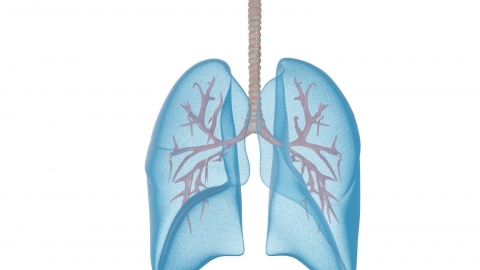
Whole-lung lavage with large-volume fluid is an invasive procedure. After surgery, patients may experience temporary breathing discomfort, fatigue, and limited mobility, requiring assistance from others for basic daily activities such as turning over, drinking water, and eating. In the initial period following the operation, the patient's physical condition has not yet fully stabilized. A caregiver can closely monitor vital signs such as respiratory rate and changes in skin color, promptly alerting medical staff to any abnormalities and thereby reducing potential risks.
Proper postoperative care is also crucial. The ward environment should be kept clean and well-ventilated, with restricted visitation to minimize the risk of cross-infection. Diet should focus on light, easily digestible foods, avoiding spicy, greasy, or irritating items. Additionally, caregivers should assist patients with moderate breathing exercises as directed by physicians to promote recovery of lung function. Attention should also be paid to the patient's psychological well-being, offering encouragement and reassurance to support faster recovery.



