


Is it safe to eat corn that has slight mold on the surface?
Dec 08, 2025
Source: Cainiu Health

Dr. Huang Yuhong
Introduction
In general, corn with even slight mold on the surface is not recommended for consumption. When purchasing corn, carefully select varieties with plump kernels, free from damage or mold spots. Store corn in a dry and well-ventilated environment to avoid moisture and heat buildup, which can promote mold growth. Once any sign of mold is detected on the corn, even if minimal, it should not be eaten.
Generally, it is not recommended to eat corn that shows even slight signs of mold. The detailed explanation is as follows:
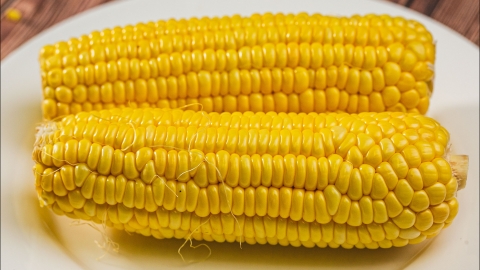
Even if mold appears only on the surface of the corn, it should not be consumed. Although mold hyphae may seem confined to the surface, they have likely already penetrated deep into the interior of the corn, where they cannot be seen with the naked eye. These molds produce toxins harmful to the human body, which are difficult to completely remove through ordinary washing or cooking. Ingesting such toxins may cause mild gastrointestinal discomfort such as nausea, abdominal pain, and diarrhea; in severe cases, they can damage organs like the liver, and long-term exposure increases health risks.
When purchasing corn, carefully select ears with plump kernels, no damage, and no visible mold spots. Store corn in a dry, well-ventilated environment to prevent moisture and heat from promoting mold growth. Once any sign of mold is detected—even a small spot—do not take chances; the safest approach is to discard it immediately.


