


What should I do if one lung is healthy and the other is damaged?

The lung may remain intact on one side while being damaged on the other. It is essential to manage this condition through clear etiological diagnosis, standardized medical interventions, protection of the healthy lung function, rehabilitation support, and lifestyle adjustments. Controlling the pathological changes in the damaged lung must be prioritized to prevent overall respiratory impairment. If symptoms such as shortness of breath, chest pain, or hemoptysis occur, immediate medical attention is recommended.
1. Establish a clear etiological diagnosis: Use chest CT scans, pulmonary function tests, and pathological examinations to determine the cause of the lung damage—whether due to infection, fibrosis, tumor, or other conditions—providing an accurate basis for subsequent treatment and avoiding blind interventions.
2. Standardized medical intervention: Administer targeted treatments based on the underlying cause. For infectious lesions, ensure adequate dosage and duration of anti-infective therapy; for fibrotic conditions, apply anti-fibrotic treatment; for tumors, integrate surgery, radiotherapy, and chemotherapy as appropriate. Strictly follow medical instructions for medication or surgical procedures.
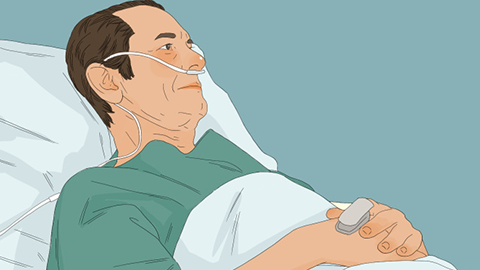
3. Protect the healthy lung function: Prevent secondary injury to the unaffected lung by avoiding smoking environments, dust, and harmful gases. Prevent respiratory infections such as colds, avoid misuse of drugs that may impair lung function, and maintain normal ventilation in the healthy lung.
4. Rehabilitation training support: Perform breathing exercises such as diaphragmatic breathing and pursed-lip breathing within the limits of physical tolerance. Combine these with moderate aerobic exercise to strengthen respiratory muscles, enhance compensatory capacity of the healthy lung, and improve overall respiratory efficiency.
5. Lifestyle modifications: Ensure sufficient sleep, avoid excessive fatigue, maintain a balanced diet rich in protein and vitamins to boost immunity, and keep emotional stability to reduce indirect negative impacts of anxiety on respiratory function.
Daily precautions should include respiratory protection, dressing appropriately according to weather changes, avoiding hyperventilation during intense physical activity, undergoing regular pulmonary function check-ups, and following a well-balanced diet to strengthen physical health. Scientific care can help maximize compensatory function of the healthy lung and maintain stable respiration.


