


What vegetables can patients with thick blood eat to help regulate their condition?

Patients with thickened blood can benefit from consuming more vegetables such as celery, onion, black fungus (wood ear mushroom), broccoli, and winter melon. These vegetables are rich in dietary fiber, vitamins, and active compounds that help improve blood circulation. If thickened blood is accompanied by symptoms like dizziness or chest tightness, or if laboratory test results remain abnormal, prompt medical consultation is recommended.
1. Celery: Rich in dietary fiber and apigenin, celery promotes intestinal motility and reduces cholesterol absorption. It also helps dilate blood vessels and lower blood viscosity. It is best prepared by light stir-frying or cold mixing, avoiding overly greasy cooking methods.
2. Onion: Contains prostaglandin A and sulfur compounds that soften blood vessels, reduce blood viscosity, and inhibit platelet aggregation. Eating onions raw or in cold dishes helps preserve their nutrients. Consuming 2–3 times per week is recommended.
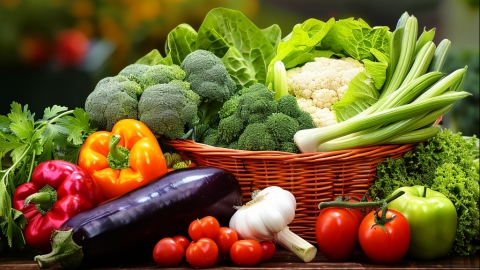
3. Black Fungus (Wood Ear Mushroom): Contains plant胶质 (plant gelatinous substances) and dietary fiber that can adsorb impurities in blood vessels and promote their elimination, while also helping lower cholesterol. After soaking, it can be served cold or used in soups. However, portion size should be moderate.
4. Broccoli: High in vitamin C, dietary fiber, and flavonoids, broccoli has antioxidant effects, helps lower blood lipids, and reduces lipid deposition in the bloodstream. It can be lightly stir-fried or blanched and served cold. Pairing with high-quality protein sources provides a more balanced diet.
5. Winter Melon: Contains malonic acid and dietary fiber that inhibit fat synthesis and promote water metabolism, thereby reducing vascular burden. It is suitable for soups or light stir-fries and is especially beneficial for patients with thickened blood who also experience edema.
Vegetables should primarily be cooked by steaming, boiling, or cold mixing, avoiding frying or braising in oil and sugar. Ensure sufficient daily vegetable intake, combined with whole grains and high-quality protein. Limit the use of high-salt and high-fat seasonings, maintain regular meal times, and incorporate moderate physical activity to maximize the benefits of dietary regulation.


