


What are the common causes of chest tightness?

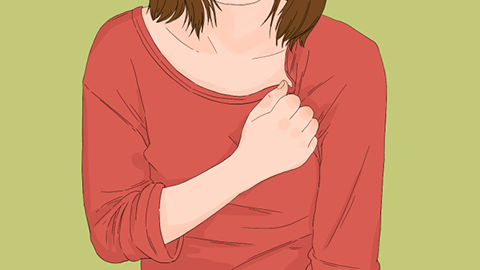
Chest tightness may be caused by emotional excitement, intense exercise, bronchial asthma, coronary heart disease, gastroesophageal reflux disease (GERD), etc. It can be improved through emotional regulation, rest, medication, and other methods. If chest tightness persists or is accompanied by shortness of breath or chest pain, prompt medical attention is required.
1. Emotional excitement: Sudden strong emotions such as tension or anxiety can increase heart rate and cause rapid breathing, leading to chest tightness, often accompanied by palpitations and sweating. It is recommended to calm down immediately using deep breathing or sitting quietly to relax, avoiding significant emotional fluctuations.
2. Intense exercise: When exercise intensity exceeds the body's tolerance, oxygen consumption sharply increases and the burden on the heart and lungs rises, causing chest tightness along with shortness of breath and fatigue. It is advised to stop exercising immediately and rest on-site. Future exercise should progress gradually to avoid overexertion.
3. Bronchial asthma: The airways become sensitive to allergens or irritants, triggering spasms and constriction, resulting in chest tightness accompanied by wheezing, coughing, and difficulty breathing. Patients may use medications such as salbutamol aerosol, budesonide/formoterol powder inhaler, or montelukast sodium chewable tablets under medical guidance to relieve symptoms.
4. Coronary heart disease: Insufficient blood supply from the coronary arteries leads to myocardial ischemia and hypoxia, causing chest tightness that worsens with physical activity, often accompanied by chest pain and palpitations. It is recommended to take medications such as nitroglycerin tablets, enteric-coated aspirin tablets, or atorvastatin calcium tablets under a doctor’s supervision to alleviate discomfort.
5. Gastroesophageal reflux disease (GERD): Reflux of stomach contents irritates the esophagus, causing chest tightness behind the sternum, often associated with acid regurgitation, heartburn, and belching. Patients may follow medical advice to use omeprazole enteric-coated capsules, domperidone tablets, or hydrotalcite chewable tablets to improve symptoms.
For daily care, maintain regular sleep patterns and avoid staying up late or overexertion. Eat a light, easily digestible diet, reducing spicy and greasy foods. Engage in moderate, gentle exercise and maintain emotional stability. Promptly adjust lifestyle and seek help when discomfort occurs to support recovery.


