


Does having a lung biopsy mean there's no hope?

Lung biopsy does not mean there is no hope. It is a diagnostic procedure used to determine the nature of lung abnormalities, rather than an indicator of treatment or prognosis. In most cases, it is performed to accurately identify the underlying cause and guide targeted treatment plans. If unexplained nodules, shadows, or suspected lesions appear in the lungs, prompt medical evaluation is recommended to determine whether a biopsy is necessary.
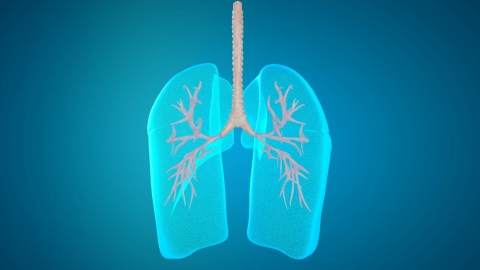
Lung biopsy involves using a fine needle to extract a small sample of lung tissue for pathological analysis, which can precisely determine whether a lesion is benign or malignant, infectious or non-infectious. Benign conditions—such as inflammation, tuberculosis, or benign tumors—typically have a good prognosis with appropriate treatment. Even in cases of malignancy, early and accurate diagnosis through biopsy allows for optimal timing of interventions such as surgery, radiotherapy, or chemotherapy.
This procedure is a commonly used minimally invasive diagnostic technique in clinical practice. Undergoing a biopsy does not imply that the condition is severe or incurable; on the contrary, it helps prevent unnecessary or blind treatments. Many patients, after confirmation of benign causes via biopsy, achieve full recovery with proper management. The core value of the procedure lies in providing scientific evidence to guide effective treatment.
After the biopsy, it is important to keep the puncture site clean and dry, avoid strenuous activity and forceful coughing, follow a light and easily digestible diet, ensure adequate rest, and refrain from smoking or exposure to dust and irritating gases. These measures support recovery and prepare the body for any further diagnosis or treatment.


