


Can the green substance inside lobster be eaten?

Under normal circumstances, the natural green substance found inside lobsters can be consumed in small amounts. However, if the green discoloration is due to spoilage or contamination, it should not be eaten. If in doubt, it's advisable to carefully identify the substance before consumption. Detailed analysis is as follows:
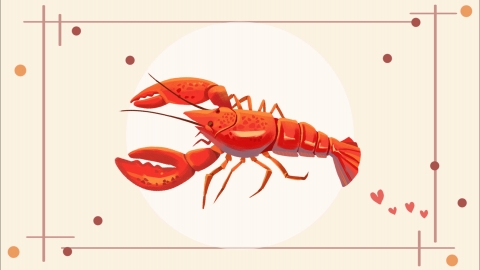
The green substance in the lobster's head is mostly the hepatopancreas—an essential digestive organ that is rich in nutrients. When fresh, it appears as a uniform light green with no unpleasant odor. After proper cleaning, it can be safely consumed in small quantities and does not pose any health risks. This natural green material has a smooth texture and does not negatively affect the eating experience when consumed alongside lobster meat.
If the green substance appears dark, cloudy, or is accompanied by an off smell, stickiness, mold, or other abnormalities, it may indicate that the lobster has spoiled, been contaminated, or ingested toxic algae. Such green material could contain harmful substances; consuming it may lead to gastrointestinal discomfort, including symptoms such as abdominal pain and diarrhea, and in severe cases, may pose serious health risks.
When purchasing lobsters, choose live ones with intact shells. If you have any doubts about the green substance, it's safer to discard it entirely to avoid potential health hazards.


