


Can you still eat star fruit when its edges turn brown?
Dec 08, 2025
Source: Cainiu Health

Dr. Huang Yuhong
Introduction
Starfruit edges with slight browning and normal flesh are edible. Browning of starfruit edges is usually caused by minor impacts during transportation or storage, or due to moisture loss, which constitutes physical damage. If only the edges show localized discoloration while the flesh remains plump, bright in color, odorless, and without mold, stickiness, or harmful substances, it is safe to consume and will not affect health.
Under normal circumstances, star fruit edges may have slight browning but are still edible if the flesh remains normal. However, if the browning is severe or accompanied by signs of spoilage, it should not be consumed. When in doubt, it is recommended to carefully assess before eating. Detailed analysis is as follows:
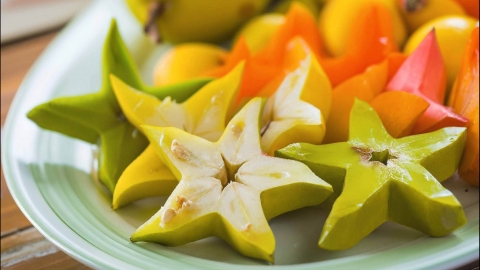
Browning on the edges of star fruit is usually caused by minor impacts during transportation or storage, or due to moisture loss, which constitutes physical damage. If only the edges show discoloration while the flesh remains plump, bright in color, and free of off-odors, mold, or stickiness—and no harmful substances have developed—it is safe to eat and will not affect health.
If the brown areas on the star fruit edges are extensive and extend into the interior flesh, or if the flesh has become soft, sticky, moldy, or developed an unpleasant odor, this indicates microbial growth. Consuming such fruit may lead to gastrointestinal discomfort, including symptoms like abdominal pain and diarrhea. In these cases, the fruit should not be eaten.
When purchasing star fruit, choose fruits with intact skin and no visible damage. Store them without compression, in a cool, well-ventilated area or refrigerated. Carefully inspect the flesh before consumption, and discard immediately if any spoilage is detected. Slightly damaged star fruit should be eaten promptly to prevent further deterioration.





