


What should I do for cough variant asthma with cough, deep breathing, and back pain?

Cough variant asthma can cause coughing and back pain associated with deep breathing. Symptoms can be improved through standardized asthma control, relief of cough, reduction of back discomfort, avoidance of triggering factors, and adjustment of breathing patterns. Targeted interventions are necessary to prevent symptom worsening. If back pain is severe, cough persists without improvement, or is accompanied by chest tightness and shortness of breath, prompt medical attention is recommended.
1. Standardized Asthma Control: Follow medical advice to use bronchodilators, inhaled corticosteroids, and other medications to reduce the frequency of asthma attacks at the root cause, alleviate airway spasms, and thereby relieve both cough and back pain induced by cough-related muscle strain.
2. Relief of Cough Symptoms: Avoid forceful coughing. Use antitussive medications under medical guidance when necessary to reduce repeated pulling on back muscles caused by coughing and minimize muscle strain and pain.
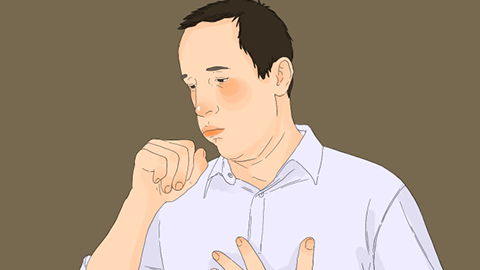
3. Reduction of Back Discomfort: Gently press the painful area of the back with your hand while coughing to minimize muscle vibration. Apply warm compresses when pain is evident to promote local blood circulation and relieve muscle tension and soreness.
4. Avoidance of Triggering Factors: Stay away from asthma triggers such as pollen, dust mites, cold air, and irritant gases to prevent acute asthma attacks that worsen coughing, reduce causes of back pain, and lower the risk of symptom recurrence.
5. Adjustment of Breathing Pattern: Practice diaphragmatic breathing to avoid rapid deep breaths that strain back muscles. Slow down the breathing rhythm to reduce stress on the airways and back muscles, alleviating the interplay between pain and cough.
Maintain good indoor ventilation and cleanliness, wear loose and comfortable clothing to reduce pressure on the back, engage in moderate gentle exercise to strengthen respiratory muscles, follow a light diet avoiding spicy and irritating foods, and maintain regular作息 (sleep-wake cycles) to avoid fatigue, all of which support stable symptom management.


