Why does nasal discharge increase after taking Yitangjing?
Dec 08, 2025
Source: Cainiu Health

Dr. Ren Yi
Introduction
Yi Tan Jing refers to ambroxol and clenbuterol oral solution. Increased nasal discharge after taking ambroxol and clenbuterol oral solution may be caused by the drug's expectorant effect, repair of respiratory mucosa, environmental irritation, acute rhinitis, or allergic rhinitis. Symptoms can be improved through nasal cavity cleaning, environmental adjustments, or medication. If nasal discharge continues to increase or is accompanied by fever or worsening nasal congestion, prompt medical attention is necessary.
Yitangjing refers to ambroxol and terbutaline oral solution. Increased nasal discharge after taking ambroxol and terbutaline oral solution may be caused by the drug's expectorant effect, respiratory mucosal repair, environmental irritation, acute rhinitis, or allergic rhinitis. Symptoms can be improved through nasal cleansing, adjusting the environment, or medication. If nasal discharge persists or is accompanied by fever or worsening nasal congestion, prompt medical attention is necessary.
1. Drug-induced expectoration: The medication promotes the thinning and expulsion of airway secretions; some of these secretions exit through the nose, leading to increased runny nose, typically clear and mucous in appearance. It is recommended to use saline nasal irrigation and promptly clear nasal discharge to maintain nasal patency.
2. Respiratory mucosal repair: Inflammation may damage the mucosa, and during drug-assisted recovery, increased mucosal secretion helps expel foreign substances, resulting in nasal discharge. It is advised to drink plenty of warm water and avoid spicy or irritating foods to support mucosal healing.
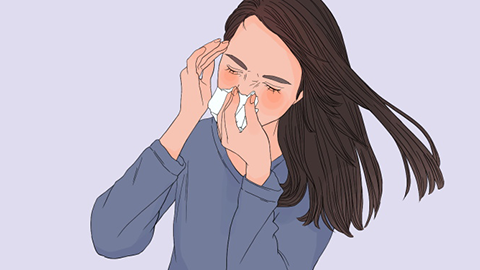
3. Environmental irritation: Exposure to cold air or dust during treatment can irritate the nasal mucosa, increasing mucus secretion and causing more nasal discharge, possibly accompanied by nasal itching. It is recommended to maintain a comfortable indoor temperature and humidity, and wear a mask to reduce external irritants.
4. Acute rhinitis: Viral infection causes inflammation of the nasal mucosa, leading to mucosal congestion, swelling, and excessive secretion, resulting in increased nasal discharge, often accompanied by nasal congestion and sore throat. Under a doctor’s guidance, patients may use medications such as Ganmao Qingre Granules, Pudilan Xiaoyan Oral Liquid, or Oxymetazoline Hydrochloride Nasal Drops to relieve symptoms.
5. Allergic rhinitis: Exposure to allergens such as pollen or house dust mites triggers an allergic reaction in the nasal mucosa, causing watery nasal discharge, frequent sneezing, and nasal itching. It is recommended to use Mometasone Furoate Nasal Spray, Loratadine Tablets, or Cetirizine Hydrochloride Oral Solution under medical supervision to alleviate discomfort.
During treatment, it is important to stay warm and avoid cold exposure, keep indoor spaces clean and well-ventilated, avoid allergens, drink sufficient warm water, follow a light diet, and reduce intake of greasy or cold foods to support recovery.