


Will your lungs recover after quitting smoking following 20 years of smoking?

After quitting smoking following 20 years of use, lung health will gradually improve, but it cannot fully return to the state of a never-smoker. Quitting smoking halts ongoing tobacco-related damage to the lungs, initiates the healing process, and reduces the risk of lung diseases. If persistent coughing, blood in sputum, or difficulty breathing occur after quitting, prompt medical attention is recommended.
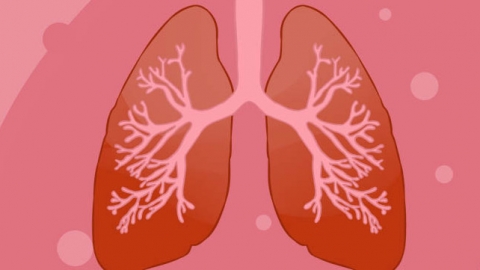
Harmful substances in tobacco damage the airway mucosa and impair ciliary function in the lungs, leading to chronic inflammation. After quitting, inflammation of the airway mucosa gradually subsides, ciliary function slowly recovers, lung self-cleaning capacity improves, and symptoms such as coughing and phlegm production gradually lessen.
Structural lung damage caused by long-term smoking, such as early emphysematous changes, may be difficult to reverse. However, quitting smoking can prevent further deterioration, reduce the likelihood of developing serious conditions like chronic obstructive pulmonary disease (COPD) and lung cancer, and allow overall lung function to gradually improve over time.
After quitting, it's important to avoid secondhand smoke, thirdhand smoke, and dusty environments. Engage in regular physical activity such as brisk walking or jogging to strengthen lung function, eat more fresh fruits and vegetables rich in vitamins, maintain good indoor ventilation, drink plenty of water, and create favorable conditions for lung recovery.


