


What are the hazards of inhaling refrigerant for humans?

Inhalation of refrigerants by humans can cause respiratory irritation, effects on the central nervous system, cardiovascular damage, frostbite and chemical burns, as well as hypoxia and suffocation. The severity of these hazards varies slightly depending on the type of refrigerant, so it is important to be cautious about accidental inhalation. If severe coughing, dizziness, palpitations, or difficulty breathing occur after inhalation, prompt medical attention is recommended.
1. Respiratory irritation: Refrigerants are mostly volatile gases that can irritate the mucous membranes of the nose, throat, and pharynx upon inhalation, causing symptoms such as sneezing, sore throat, and coughing. High-concentration exposure may lead to airway spasms, chest tightness, and shortness of breath, increasing the burden on the respiratory system.
2. Central nervous system effects: Inhaling excessive amounts of refrigerant can suppress central nervous system function, leading to symptoms such as dizziness, headache, fatigue, and difficulty concentrating. In severe cases, it may result in drowsiness, confusion, or even coma, disrupting neural signal transmission.
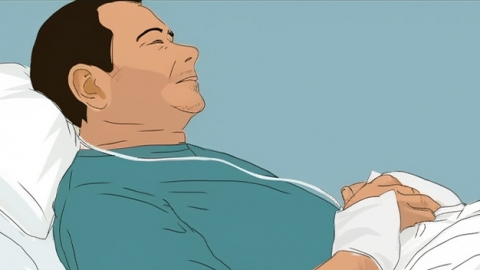
3. Cardiovascular damage: Refrigerants may affect myocardial contractility, causing increased heart rate and palpitations. Some components may also induce blood pressure fluctuations, potentially exacerbating pre-existing cardiovascular conditions or triggering arrhythmias in susceptible individuals.
4. Frostbite and chemical burns: Refrigerants have extremely low boiling points. Upon inhalation, if they come into contact with respiratory mucosa or skin, they rapidly absorb heat, causing local tissue frostbite—manifesting as redness, swelling, pain, and ulcers. Certain fluorinated refrigerants may additionally cause chemical burns.
5. Hypoxia and suffocation: High concentrations of refrigerant can displace oxygen in the breathing space, reducing oxygen levels in the inhaled air and leading to hypoxia. Symptoms include chest tightness, cyanosis, and rapid breathing. In extreme cases, this may result in life-threatening asphyxiation.
When handling refrigerants during daily activities, proper protective measures should be taken, including wearing masks and protective gloves, and avoiding operations in enclosed spaces. In case of a leak, immediately open windows for ventilation, evacuate to an area with fresh air, maintain an unobstructed airway, and avoid strenuous activity to reduce oxygen consumption.


