


What is cough due to wind-heat syndrome?

Cough due to wind-heat syndrome is a common type of cough in Traditional Chinese Medicine (TCM) diagnosis and treatment. It refers to cough caused by external wind-heat pathogens invading the lung's defensive system, leading to impaired dispersion and descending functions of the lungs and disruption of normal clearing and settling processes. Typical symptoms include sore throat and yellow, sticky phlegm, requiring targeted treatments to clear heat, dispel wind, promote lung function, and relieve cough. If cough persists for more than one week with worsening fever, prompt medical attention is recommended.
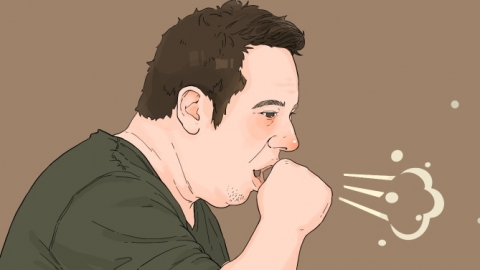
This pattern is commonly caused by external contraction of wind-heat pathogens or internal accumulation of heat transforming into fire, which consumes lung fluids. When wind-heat invades, the lungs lose their normal ascending and descending functions, resulting in disrupted qi flow and subsequent coughing. The heat pathogen consumes body fluids, causing phlegm to become thick and yellow. As the throat is considered the gateway to the lungs, it becomes irritated by heat pathogens, leading to sore throat and hoarseness.
Common clinical symptoms include frequent and severe coughing, hoarseness, sore and swollen throat, minimal but sticky phlegm that is difficult to expel, often accompanied by fever with mild aversion to wind, dry mouth with increased thirst, nasal congestion with yellow nasal discharge. Tongue and pulse manifestations typically include a red tip of the tongue, thin yellow coating, and floating-rapid pulse—features clearly distinguishing this condition from wind-cold cough, which presents with clear, watery, white phlegm and chills.
In daily life, maintain good indoor ventilation and avoid stuffy environments and spicy, drying foods. Consume more heat-clearing and lung-moistening foods such as pears and winter melon. Drink adequate water to soothe the throat, minimize loud speaking, and avoid exposure to smoke and dust. Drinking honeysuckle tea in moderation may also help clear heat and alleviate symptoms.


