


What should I do if I experience coughing after inhaling salmeterol fluticasone powder?
Dec 08, 2025
Source: Cainiu Health

Dr. Ren Yi
Introduction
Coughing after inhaling salmeterol fluticasone powder can be managed by ensuring proper inhalation technique, rinsing the mouth promptly after inhalation, adjusting the timing of medication, alleviating airway irritation, and monitoring symptom changes. It is often related to airway adaptation, incorrect inhaler use, or mild irritation. If coughing is severe and persists for more than one week, or is accompanied by wheezing or shortness of breath, prompt medical attention is recommended.
Coughing after inhaling salmeterol fluticasone powder can be managed through proper inhalation techniques, rinsing the mouth promptly after inhalation, adjusting the timing of medication, alleviating airway irritation, and monitoring symptom changes. It is often related to airway adaptation, incorrect technique, or mild irritation. If coughing is severe and persists for more than one week, or accompanied by wheezing or shortness of breath, prompt medical attention is recommended.
1. Proper inhalation technique: Tilt your head slightly backward during inhalation and breathe in slowly and deeply to ensure even distribution of the medication throughout the airways. Avoid rapid inhalation, which may cause the drug to irritate the throat or airways, thereby reducing cough caused by local irritation.
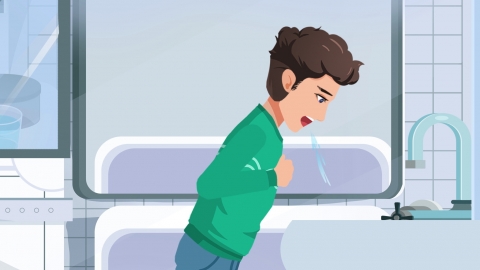
2. Rinse mouth promptly after inhalation: After using the medication, thoroughly rinse your mouth with warm water and spit it out to remove any residual drug from the throat area. This helps prevent mucosal irritation, inflammation, or coughing. Pay special attention to cleaning the sides of the mouth and deep areas of the throat.
3. Adjust timing of medication: Avoid inhaling on an empty stomach or when the airways are dry. Drink a small amount of warm water beforehand to moisten the airways, or take the medication 1–2 hours after eating. This reduces airway sensitivity to the drug and helps relieve coughing.
4. Alleviate airway irritation: If the cough is mild, practice slow, deep breathing or drink cool or lukewarm water to soothe the airways. Avoid exposure to cold air, smoke, or other irritants immediately after inhalation to reduce coughing due to airway spasms.
5. Monitor symptom changes: Keep track of cough frequency, duration, and associated symptoms. If the cough is a brief initial reaction to starting the medication, continued observation may be sufficient. However, if symptoms persist or worsen, inform your doctor promptly to adjust the treatment plan.
Maintain indoor air humidity, avoid allergens such as dust and pollen, and regularly clean the inhaler device to ensure hygiene. Follow the prescribed dosage as directed by your doctor—do not increase or decrease usage without consultation. Engage in moderate exercise to improve airway tolerance and reduce adverse reactions.


