


What are the benefits and drawbacks of eating porridge regularly over a long period?

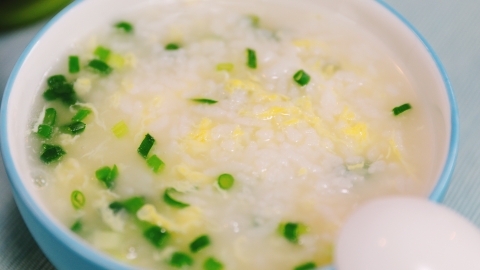
Long-term consumption of congee has several benefits, including hydration, easy digestion, reduced gastrointestinal burden, provision of basic energy, and assistance in stabilizing blood sugar levels. However, drawbacks include limited nutritional variety, risk of mineral deficiencies, weakened chewing function, insufficient satiety, and reduced digestive adaptability. If malnutrition or digestive issues occur after prolonged congee consumption, medical advice should be sought promptly.
1. Benefits of Long-Term Congee Consumption
1. Hydration: Congee contains a high proportion of water. Regular consumption helps continuously replenish bodily fluids, maintain fluid balance, and support the elimination of metabolic waste—especially beneficial for individuals with inadequate water intake or faster metabolism.
2. Easy Digestion: Ingredients are softened through prolonged cooking, allowing quick breakdown and absorption in the gastrointestinal tract without requiring excessive gut motility. This makes congee ideal for daily dietary management in individuals with weak digestive systems.
3. Reduced Gastrointestinal Burden: Compared to dry or hard foods, congee causes minimal friction and irritation to the gastrointestinal mucosa, reducing digestive strain and lowering the risk of gastrointestinal disorders—making it suitable for post-surgical patients or those experiencing digestive discomfort.
4. Provision of Basic Energy: Its primary component, carbohydrates, is rapidly converted into glucose, providing immediate baseline energy to meet daily activity needs. It is therefore well-suited for long-term consumption as a breakfast or snack option.
5. Assistance in Blood Sugar Stabilization: With a relatively low glycemic index, moderate and consistent consumption of congee can help prevent sharp blood sugar fluctuations, offering supportive benefits for individuals managing blood glucose levels. For optimal results, it should be combined with other food types.
2. Drawbacks of Long-Term Congee Consumption
1. Limited Nutrition: Congee mainly consists of rice and water. Long-term exclusive consumption leads to inadequate intake of protein, vitamins, and dietary fiber, failing to meet the body’s comprehensive nutritional requirements.
2. Risk of Mineral Deficiencies: Prolonged reliance on congee reduces intake of meat, vegetables, and soy products, potentially leading to insufficient supply of essential minerals such as iron, calcium, and zinc—increasing the risk of conditions like anemia and osteoporosis.
3. Weakened Chewing Function: Continuous consumption of soft, mushy foods limits exercise for the masticatory muscles, resulting in reduced jaw strength. This particularly affects dental development in children and oral health in older adults, raising the likelihood of dental problems.
4. Insufficient Satiety: Despite its large volume due to high water content, congee has a low caloric density, which may lead to frequent hunger. This could result in excessive total calorie intake over time, negatively impacting weight management.
5. Reduced Digestive Adaptability: Long-term dependence on easily digestible congee may decrease the secretion of digestive enzymes. When transitioning back to solid or harder-to-digest foods, individuals may experience bloating, indigestion, and other gastrointestinal discomforts.
To ensure balanced nutrition and gastrointestinal health, congee consumption should emphasize diverse ingredient combinations—such as adding whole grains, lean meat, eggs, and vegetables. Frequency and portion sizes should be controlled to avoid overreliance. Additionally, incorporating solid foods into the diet helps maintain chewing function and supports long-term digestive resilience.


